Showing posts with label Points. Show all posts

Thursday, May 12, 2022

Back from Wellington to Auckland, 1992

Here are my last New Zealand pictures from 1992, all of them from the North Island. Many thanks to Kelerei and atom_omeara of the NZSignals group who identified some of the locations—especially an unexpected shot on Google StreetView linked below.

The first picture is a quick snapshot of the locomotive yard in Wellington, where a lot of diesel locomotives are waiting to be used:
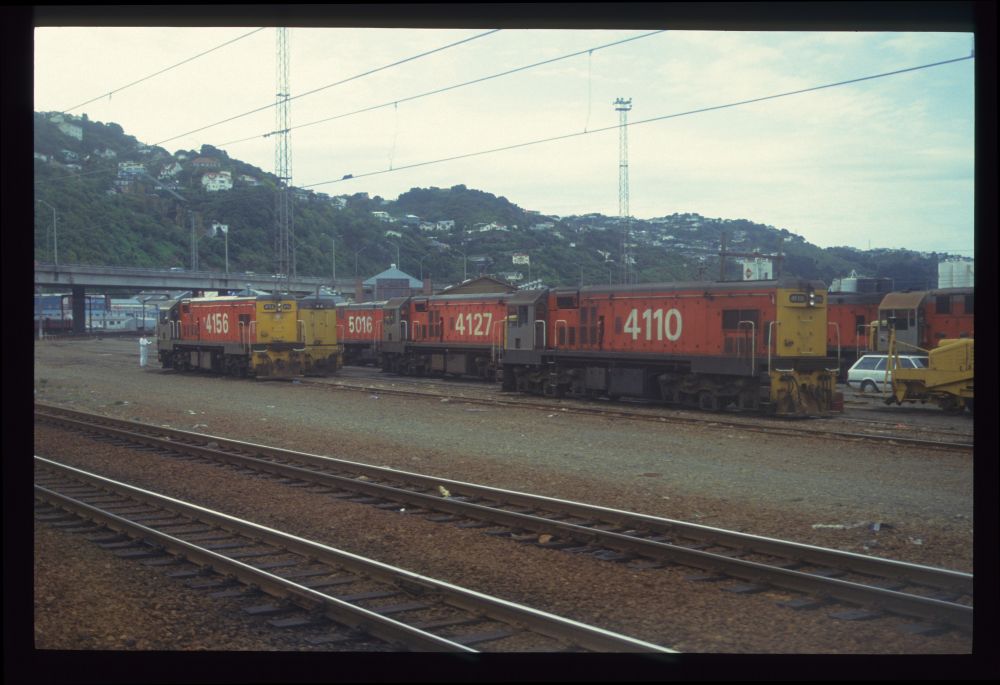
NZR DC 4110, 4127, 4156 and DX 5016, Wellington, September 1992

The next pictures are from the Johnsonville Branch, which I rode to the end and back. The first one shows a meet, the exit signal far back on the left is already "clear".
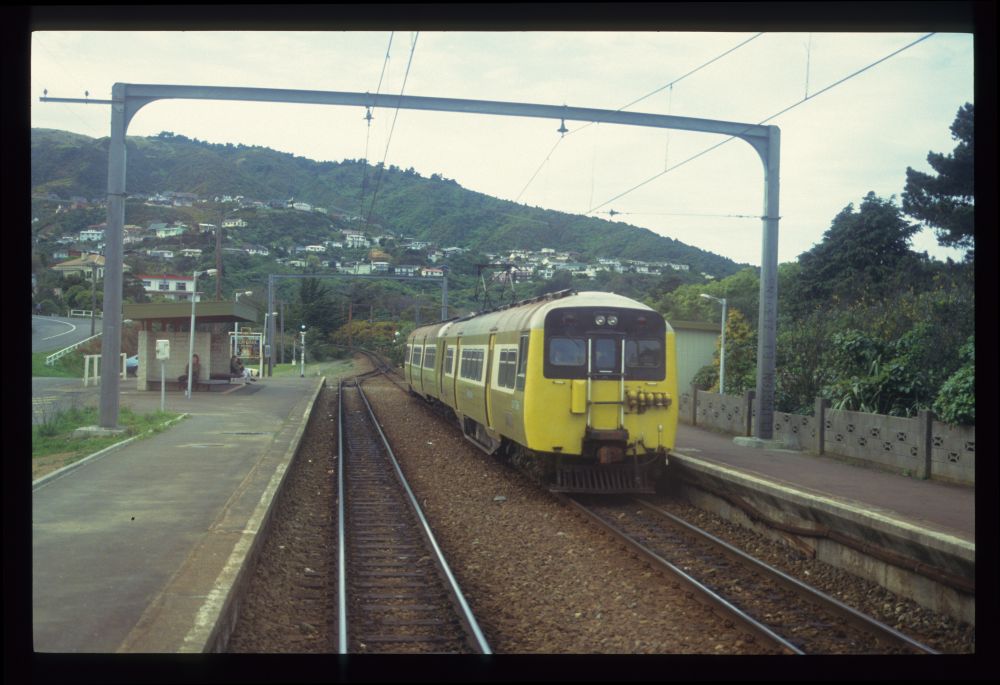
NZR DM 356, Ngaio, September 1992

Currently and according to Google Streetview, this station looks like this.

In the next picture, we are already at the end of the line, where the single track ends at a buffer stop.
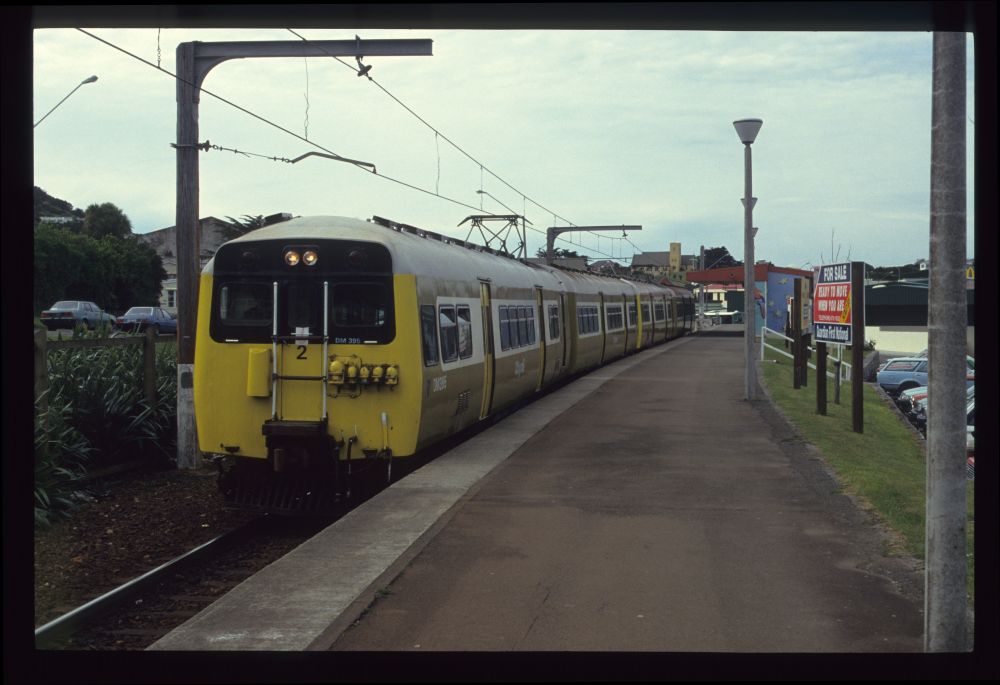
NZR DM 395, Johnsonville, September 1992

In the opposite direction, the signal towards Wellington is seen to have returned to stop due to the train visible in the distance:
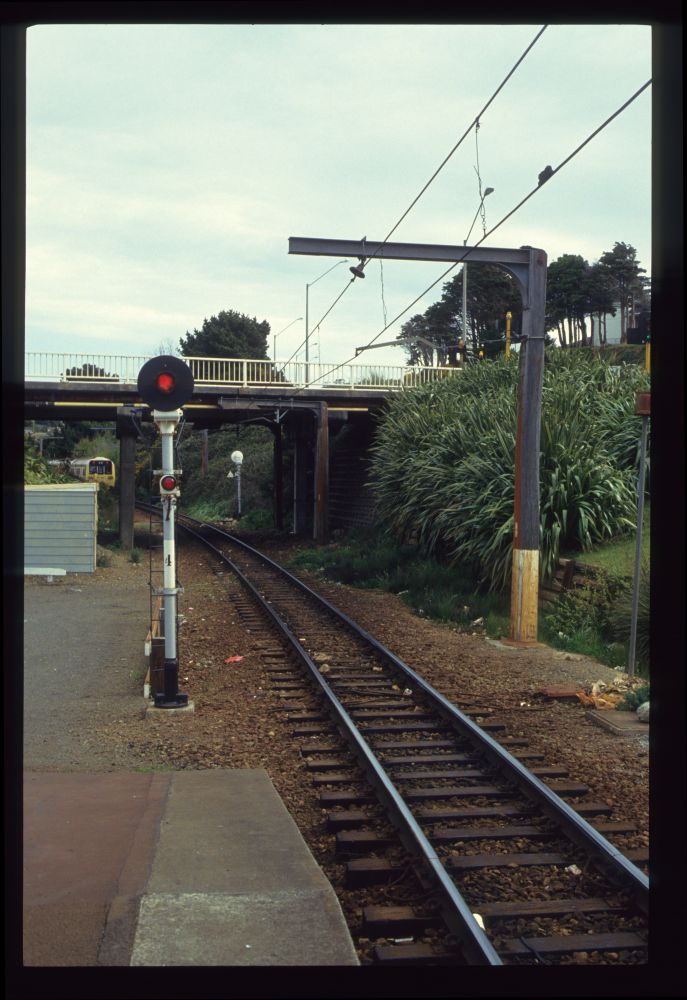
Starting signal 4, Johnsonville, September 1992

I probably took the following picture in Wellington. Most interesting is the lever similar to a Geneva drive on the left, which is important for the functioning of the whole turnout: Pulling the linkage on the left does not reverse the blades at first, as the roller only moves into the cut-out. During this movement, the locking bar is pulled out of the centre lock via the two angle levers so that the cut-out visible on it allows the connecting rod to move. The roller has now reached the cut-out and moves the blades. After the reversal, the roller runs tangentially again on the Geneva drive while the two angle levers pull the locking bar further back, thereby locking the blade connecting rod again:
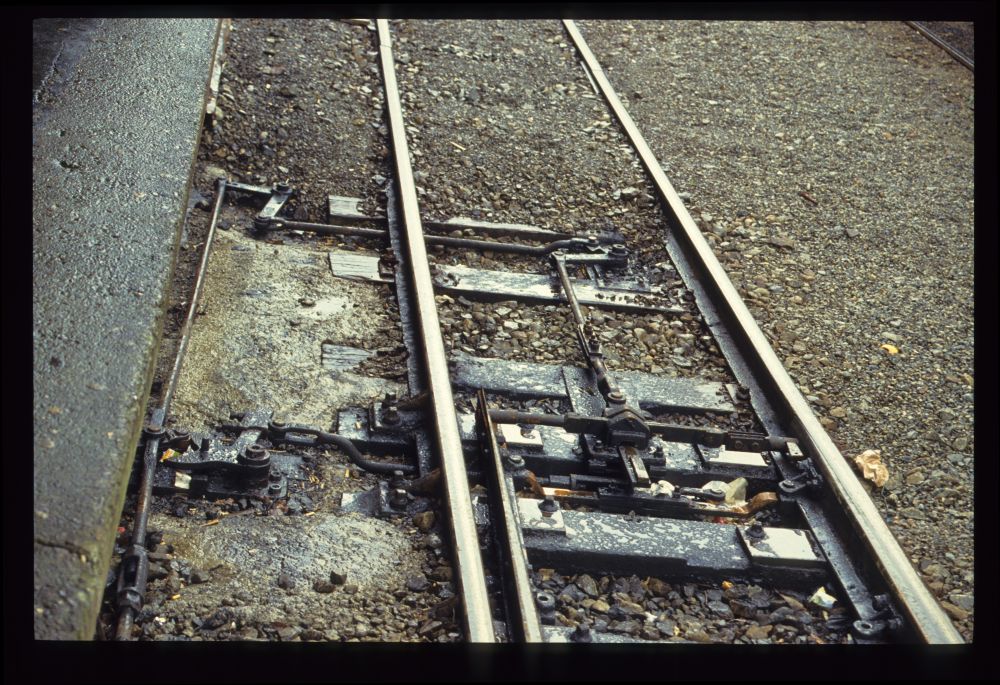
Turnout at or near Wellington, September 1992

In the rain, we then took the Overlander from Wellington to Auckland. A first blurred picture was taken still at Wellington, of the EMU stabling yard:
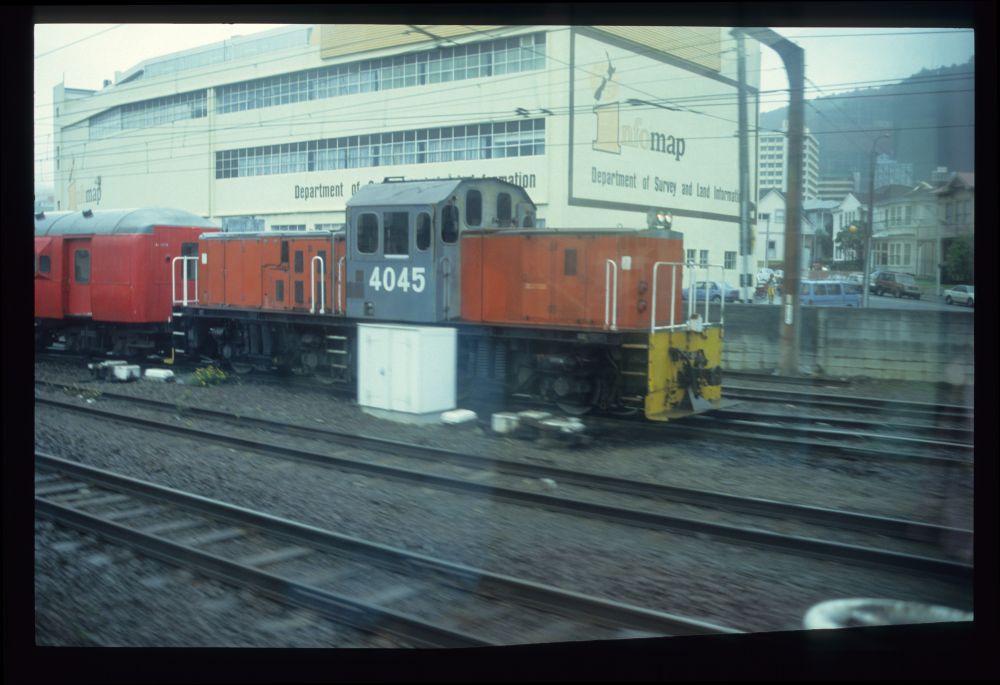
NZR DSJ 4045, Wellington, September 1992

Also the next picture was taken from the train: It shows the northern signal box and the old goods shed at Paekakariki, today occupied by Steam Incorporated. At Paekakariki, the 1500 V electrification out of Wellington ends (the 25 kV electrification of the North Island Main Trunk begins at Palmerston North). The signal box, according to Kelerei, is now at the southern end of the platform at Paekakariki (the other box has been moved to Ohakune, where it stands opposite the station building):
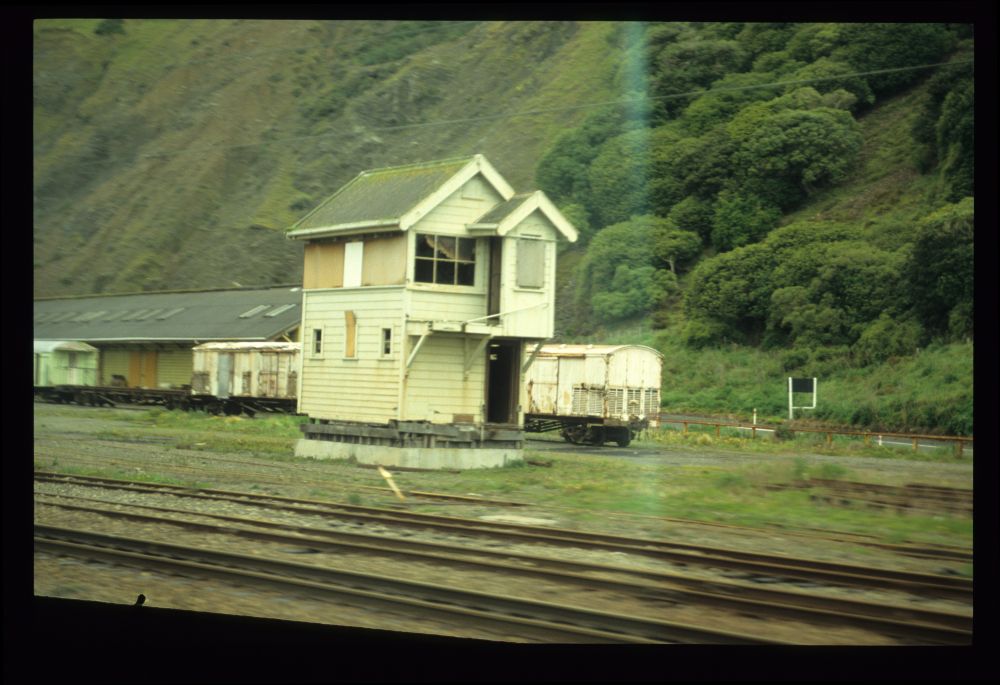
Signal box and goods shed, Paekakariki, September 1992

A little further on, already north of Palmerston North, our Overlander drives through dense New Zealand forests:
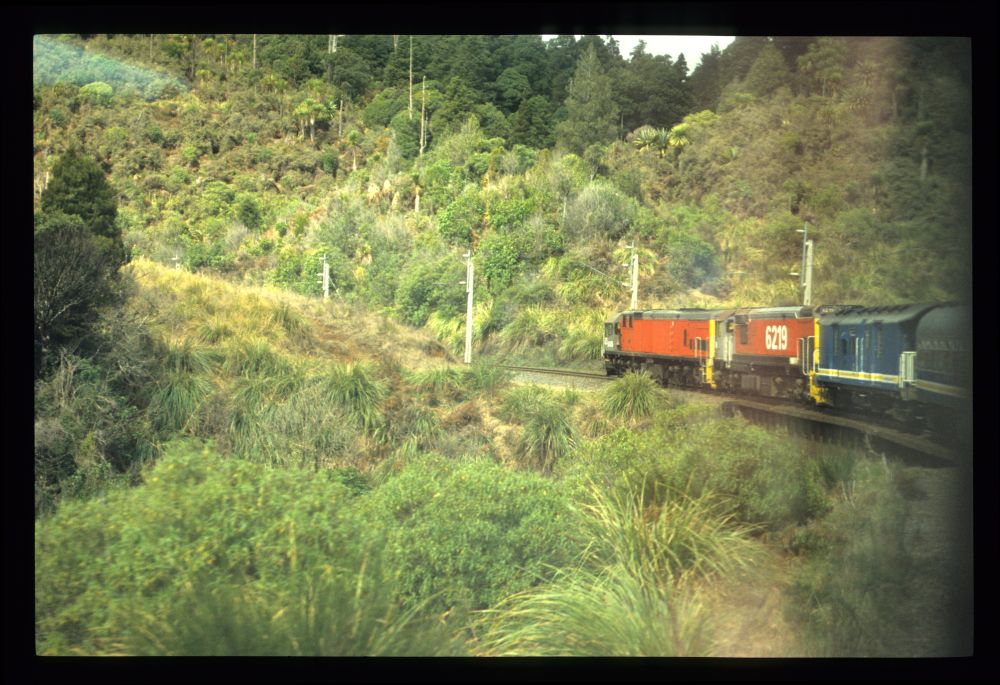
NZR DX 5425 and DF 6219 mit dem Overlander, wo?, September 1992

The following picture is from Ohakune:
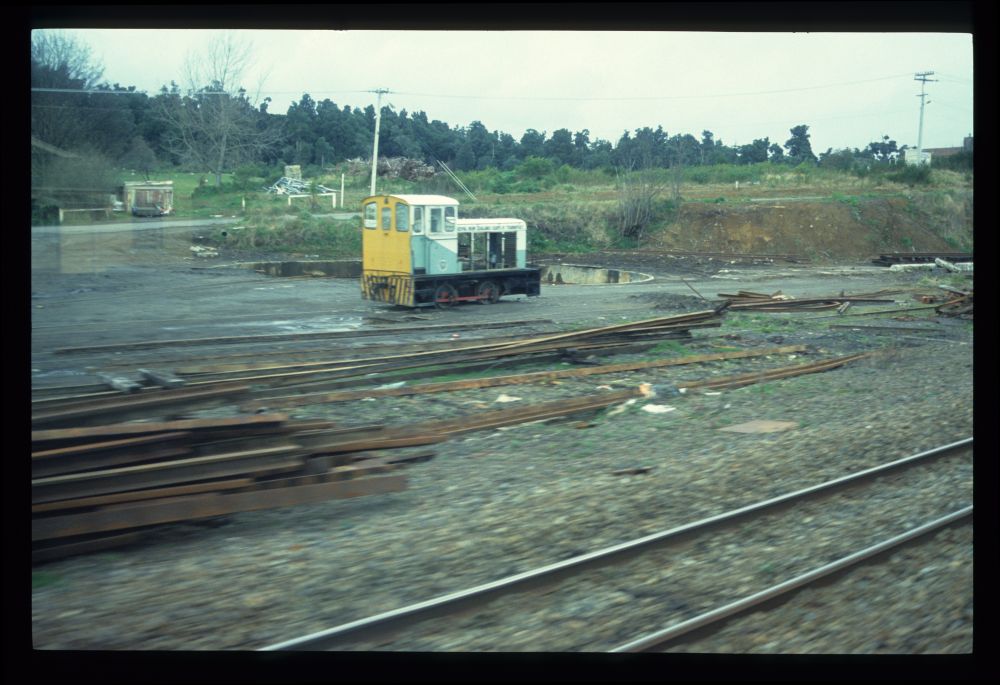
Shunting locomotive of the "New Zealand Department of Transport", Ohakune, September 1992

And here is the cool link!: Kelerei found at Google StreetView, that exactly this locomotive is still at exactly that place, only moved up the track a little!

Further north—I probably took the following picture of this electric EF locomotive at Taumarunui:
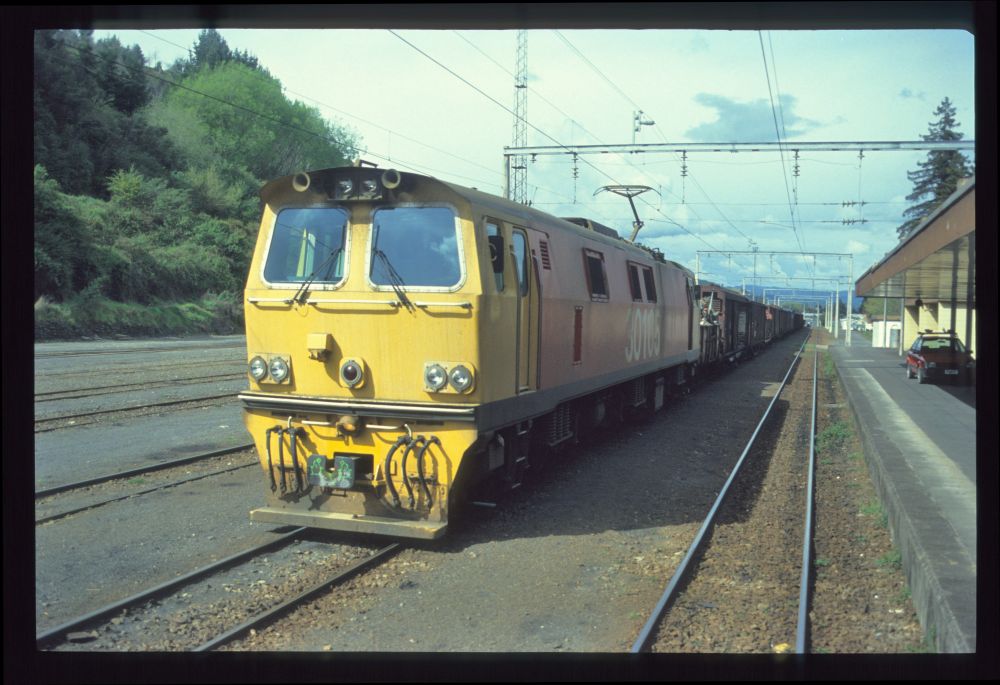
NZR EF 30105, Taumarunui, September 1992

Much further north, a look at Huntly—things look a bit different there today: atom_omeara says the trees are taller, there is now a bypass road, a new suburban service from Auckland to Hamilton, and Huntly station has reopened as a passenger station:
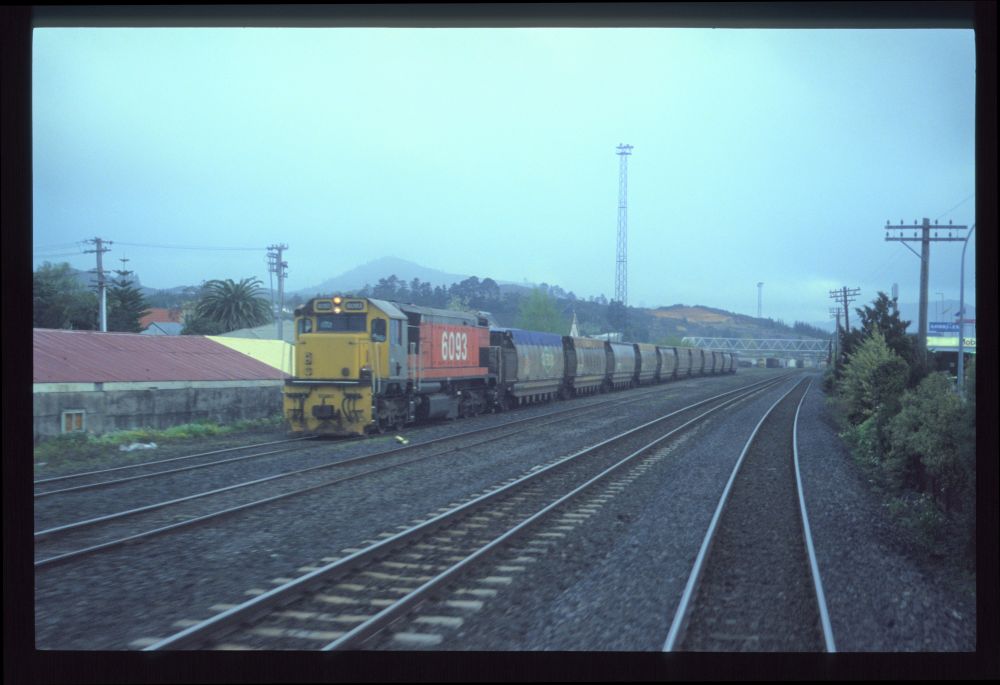
NZR DF 6093, Huntly, September 1992

The last picture is finally from Auckland—it shows our train at the platform of the former main station. After the construction of the new main station Britomart, one of the old platforms became new stop "The Strand" in 2003, where nowadays only the Northern Explorer—successor of the Overlander—starts and ends:

NZR DX 5425 and DF 6219 mit dem Overlander, Auckland, September 1992

And that's it with my New Zealand pictures from almost 30 years ago.

Sunday, May 8, 2022

New Zealand - North Island, 1992

From Pukekohe we drove towards Bay of Plenty and then via Rotorua to Wellington over several days. So far I have scanned only a few shots from there, but I am sure that I have e.g. taken some shots at the Raurimu Spiral ... someday I will find them and show them here. For locating the photos some members of the NZSignals-Group on groups.io helped me—many thanks for that!
Our first stopover after Auckland was in Tauranga, where I picked up a couple of locomotives on the other side of the harbour in Mount Maunganui.

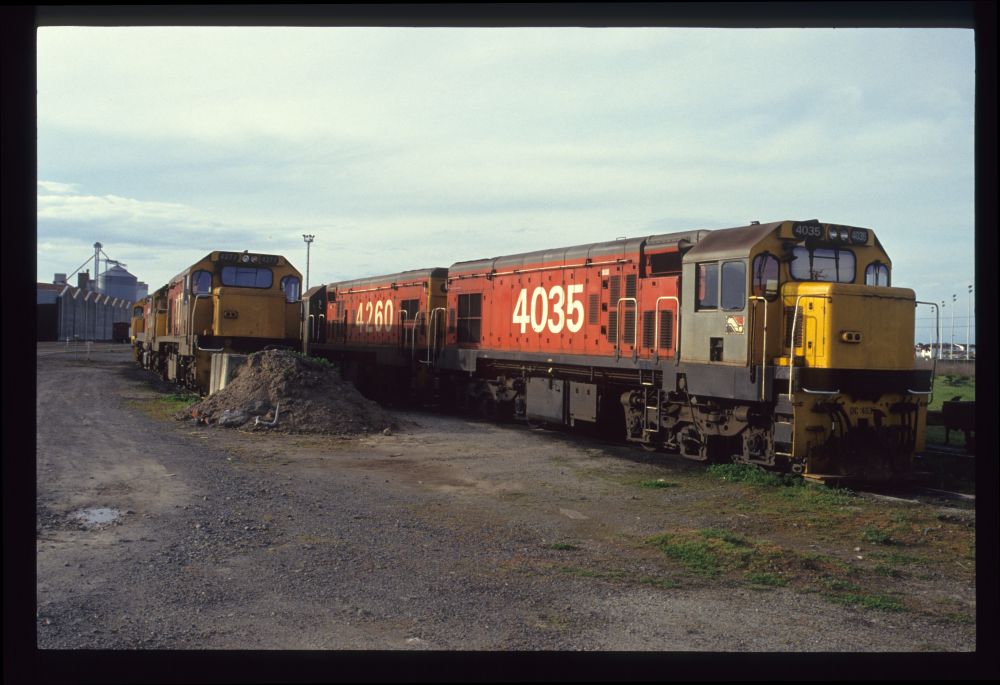
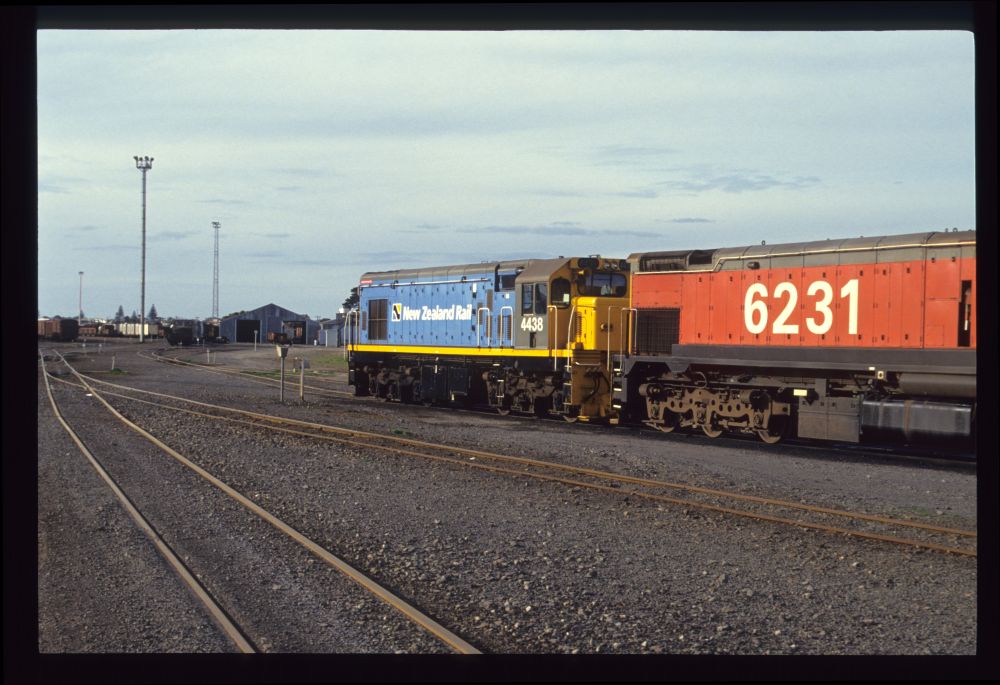
Here are a couple of diesel locomotives at the south end of the harbour station. Unfortunately, I completely ignored the turntable, which according to satellite imagery is still there nowadays:

NZR DC 4035, 4260 and 4277, Mount Maunganui, September 1992

NZR DC 4438 and DF 6231, Mount Maunganui, September 1992

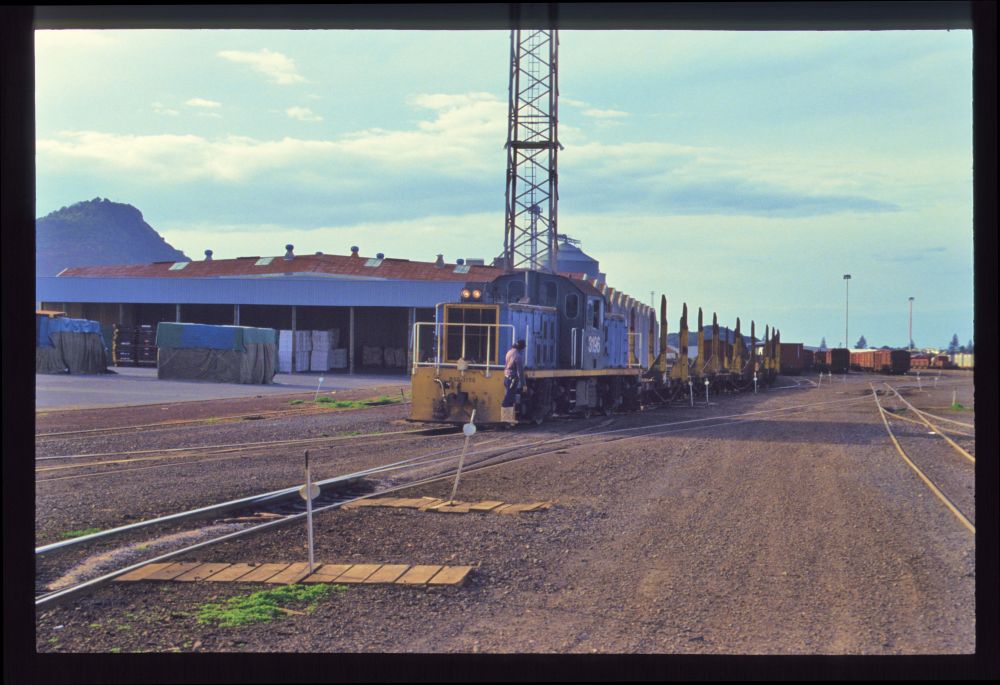
In the station, NZR DSG 3196 shunts some wagons. The turonouts here are still in the same position as 30 years ago, as can be seen at openrailwaymap.org. In the background, you can see the town's namesake, Mount Maunganui. In front of it, "Shed 10" can be seen, which is also still around:

NZR DSG 3196 shunting, Mount Maunganui, September 1992

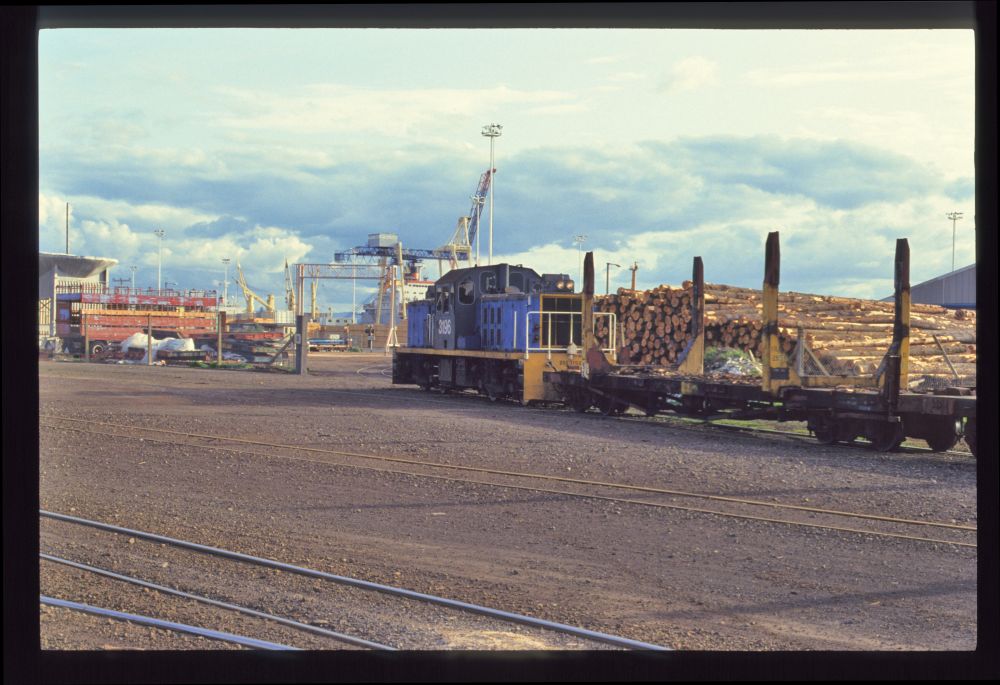
The crane and ship in the background of the next shot are on the opposite side of Tauranga Harbour:

NZR DSG 3196 shunting, Mount Maunganui, September 1992

On the way to Rotorua I took the following pictures.

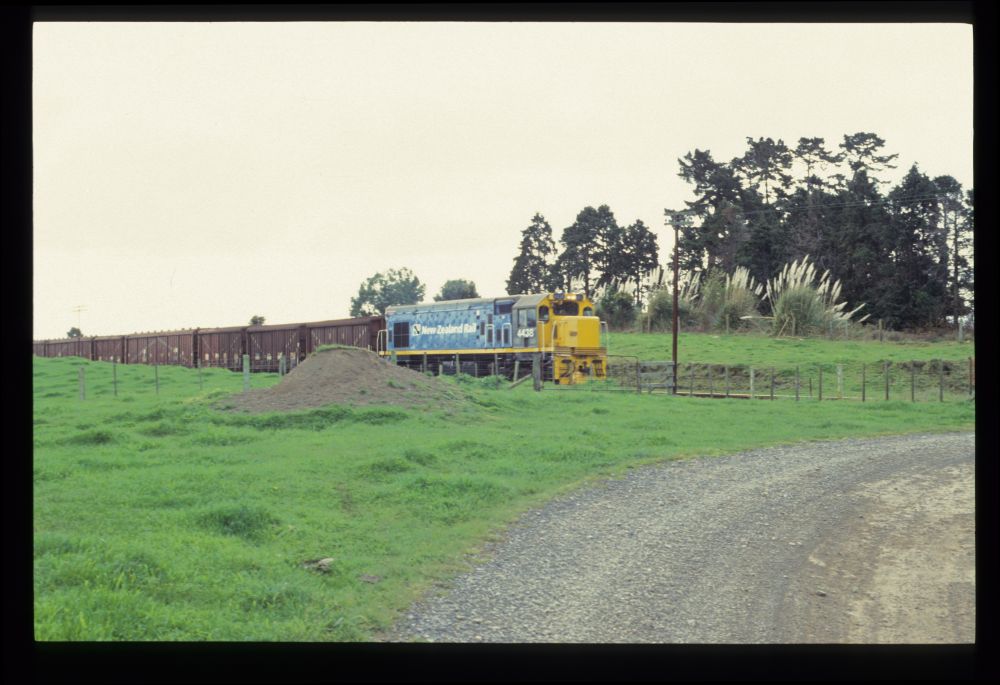
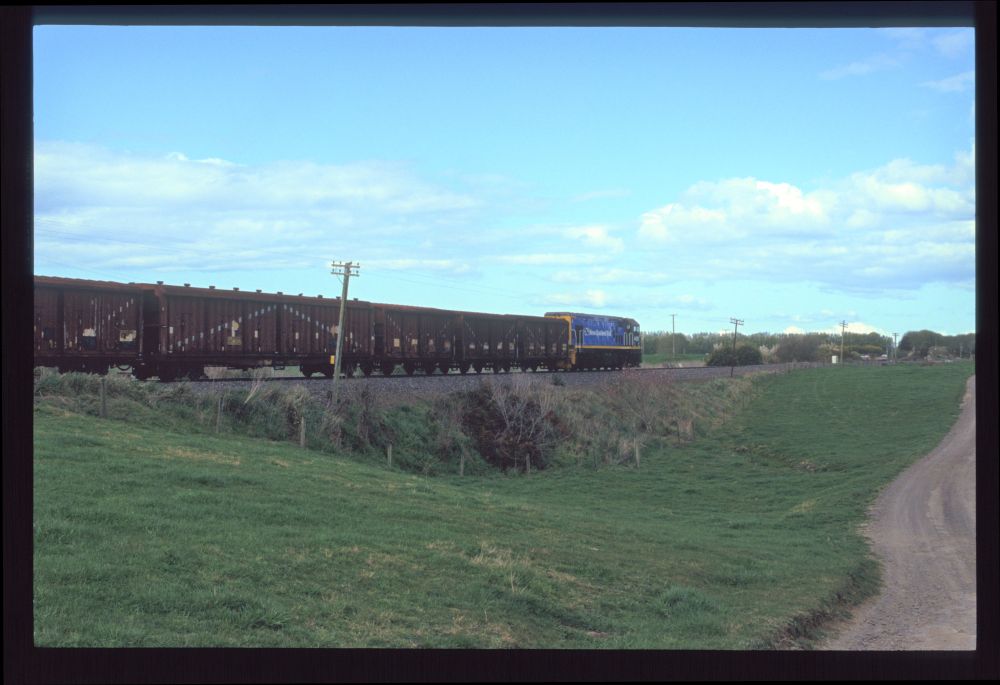
Probably between the Paengaroa and Pongakawa loops we followed this train:

NZR DC 4438 with goods train in the Bay of Plenty, probably between Paengaroa and Pongakawa, September 1992

NZR DC 4438 with goods train in the Bay of Plenty, probably between Paengaroa and Pongakawa, September 1992

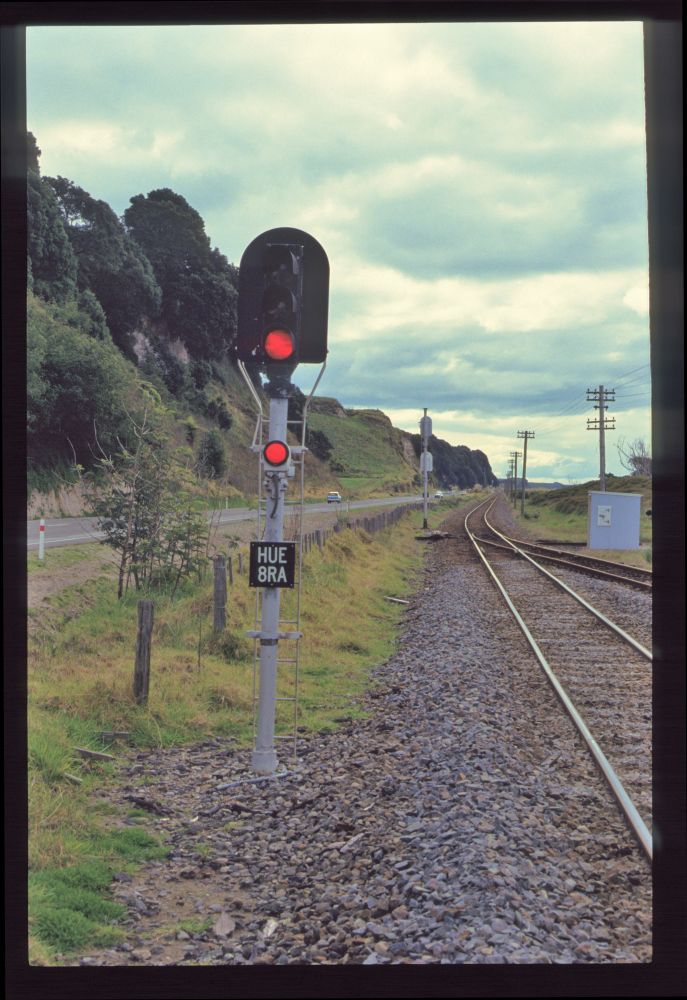
Here is the northern starting signal of the Hauone loop:

Starting signal 8RA, Hauone, Bay of Plenty, September 1992

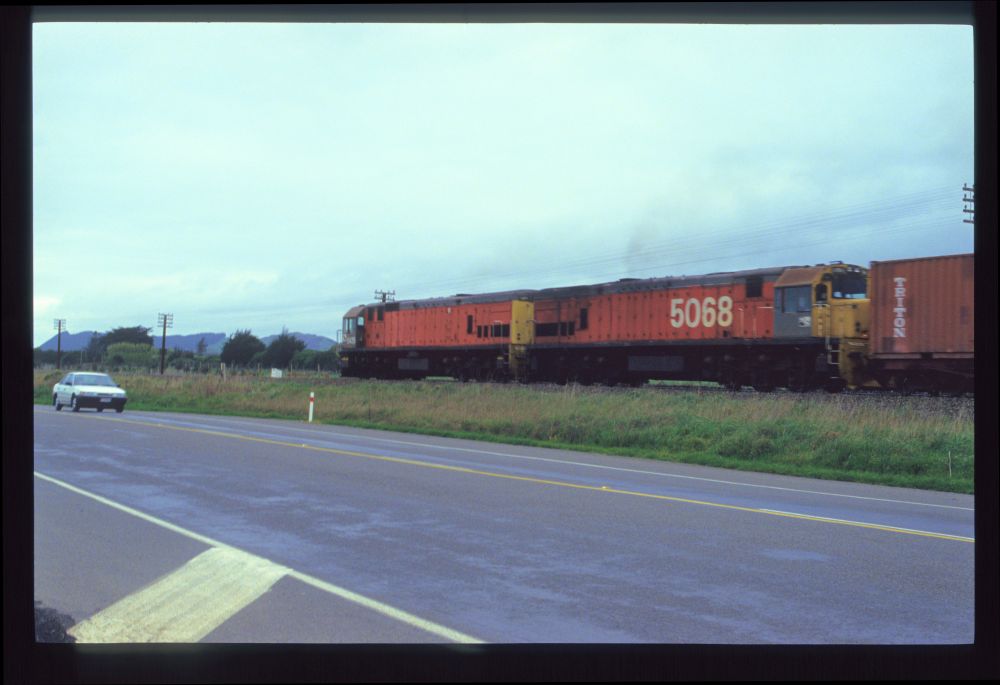
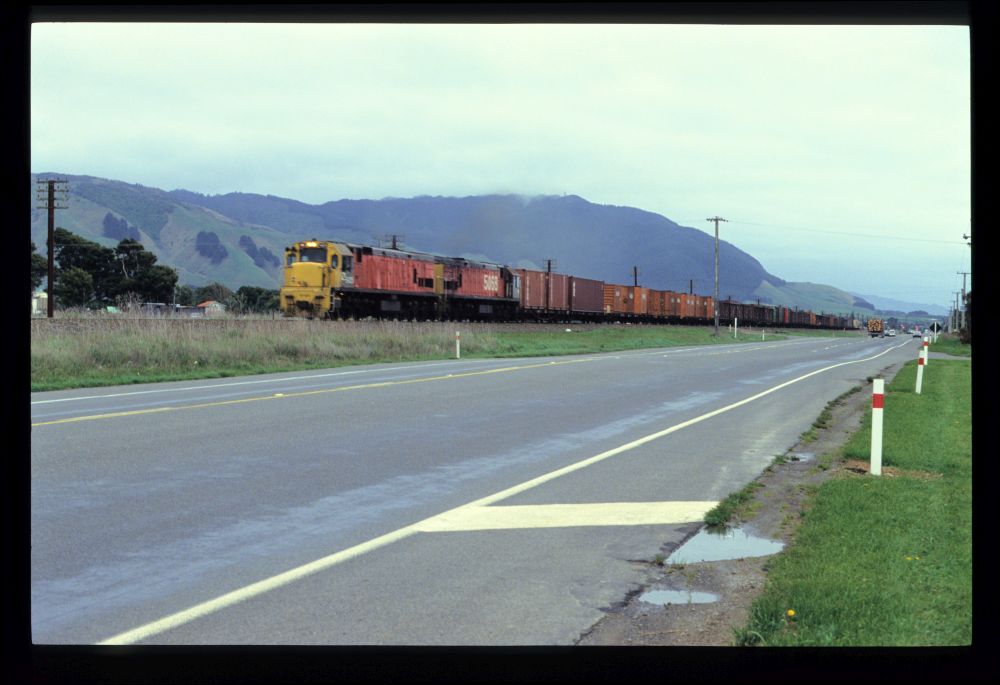
About 65 km north of Wellington, in the Horowhenua District, probably between To Horo and Otaki, this train came towards us, which we then chased a litle bit:

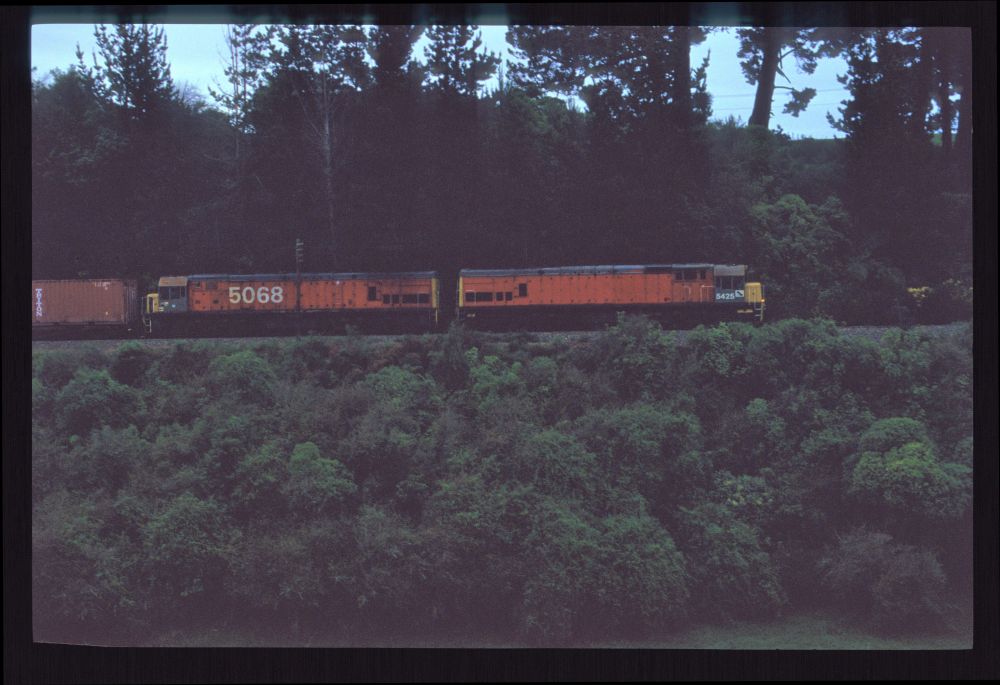
NZR DX 5068 and 5425 with goods train, probably between Te Horo and Otaki, September 1992

NZR DX 5068 and 5425 with goods train, probably between Te Horo and Otaki, September 1992

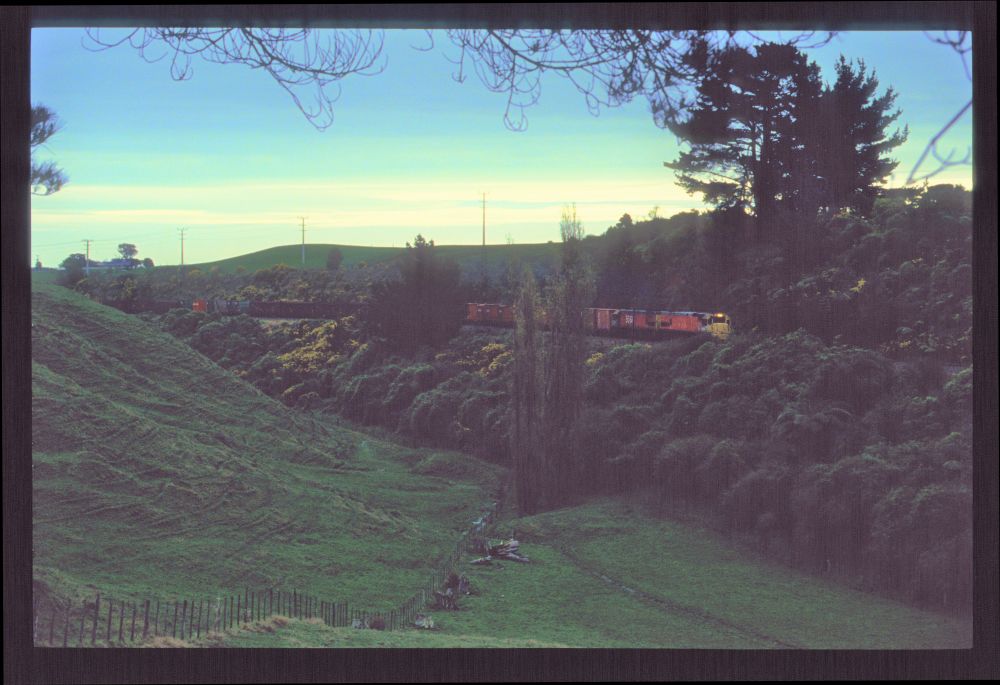
The following two pictures of the same train were taken 10 km further north at Pukehou—I had to lighten them a lot, the original slides are more or less completely black:

NZR DX 5068 and 5425 with goods train, near Pukehou, September 1992

NZR DX 5068 and 5425 with goods train, near Pukehou, September 1992

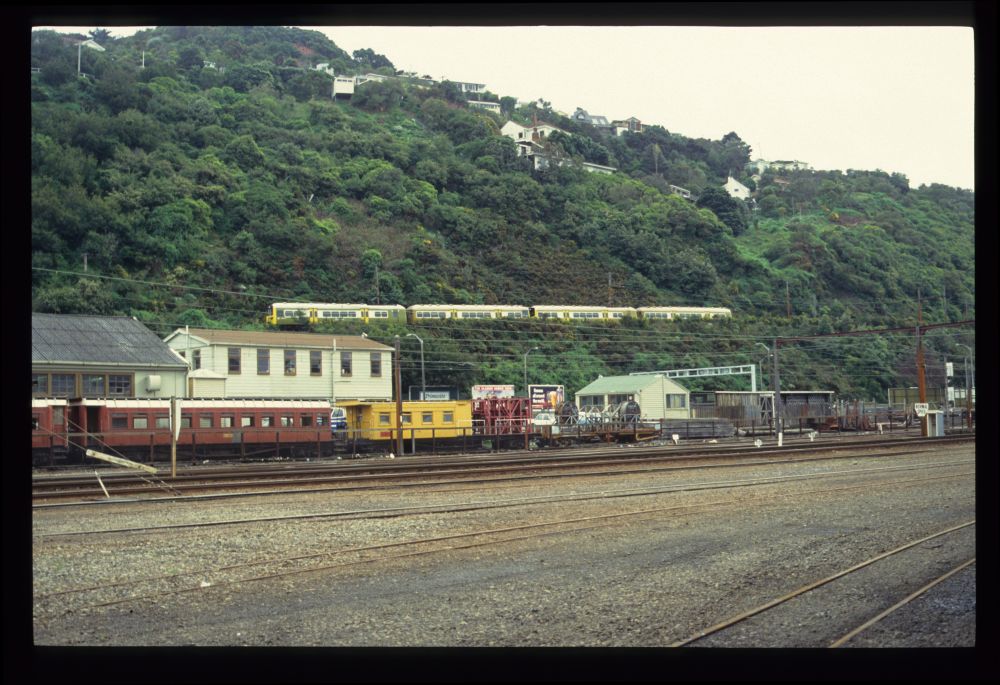
The following pictures are from Wellington. The first picture shows an EMU on the steep Johnsonville Branch line, which was in the 1930s the start of the main trunk line to the north:

Ferry terminal and a DM class on the Johnsonville Branch, Wellington, September 1992

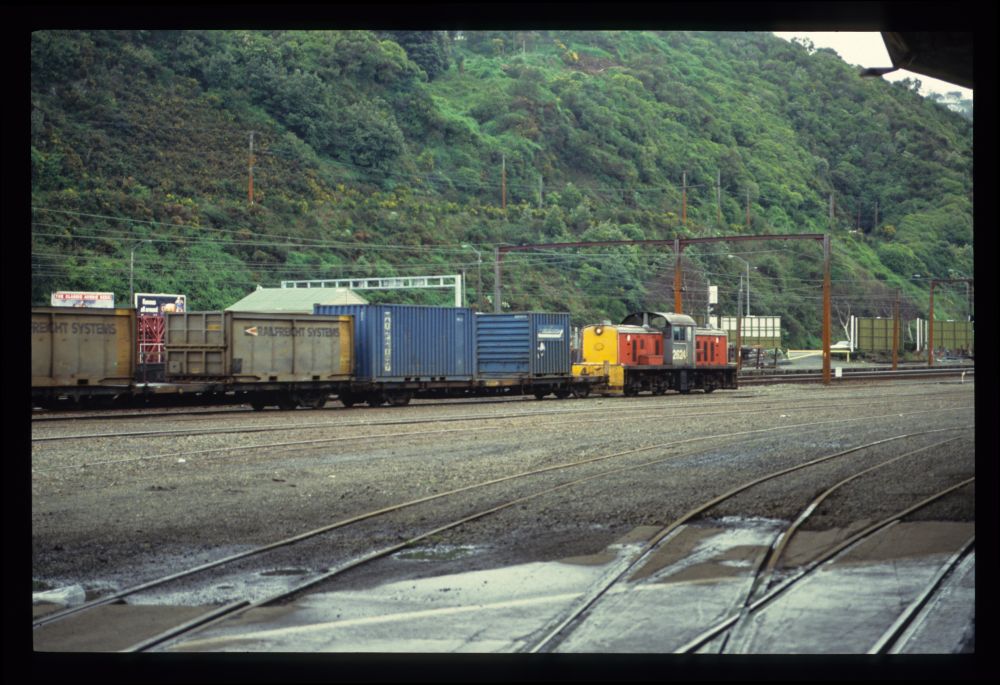
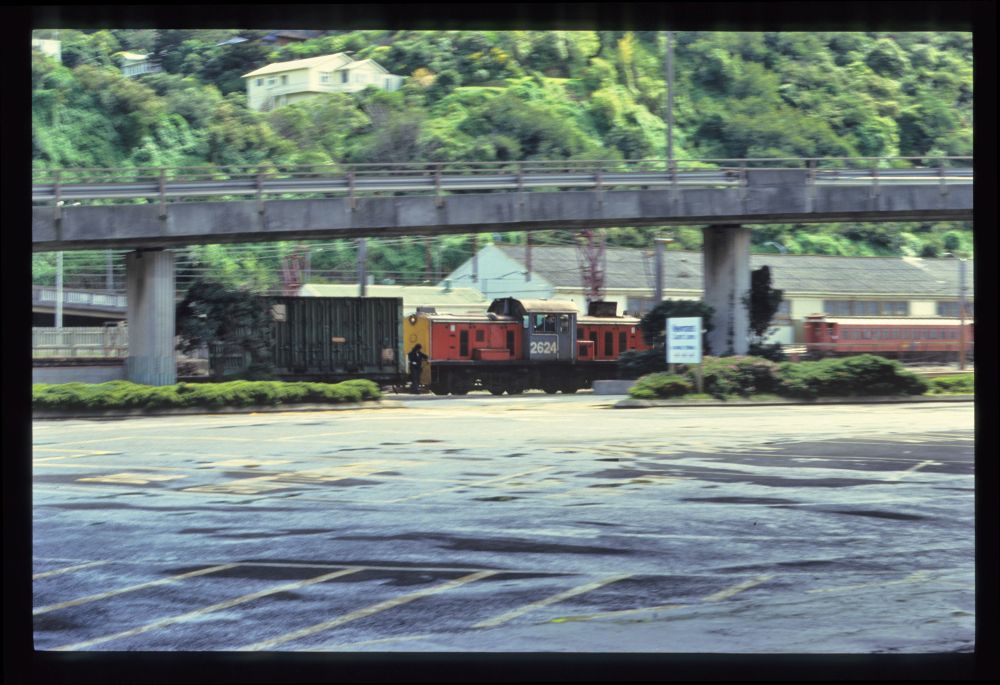
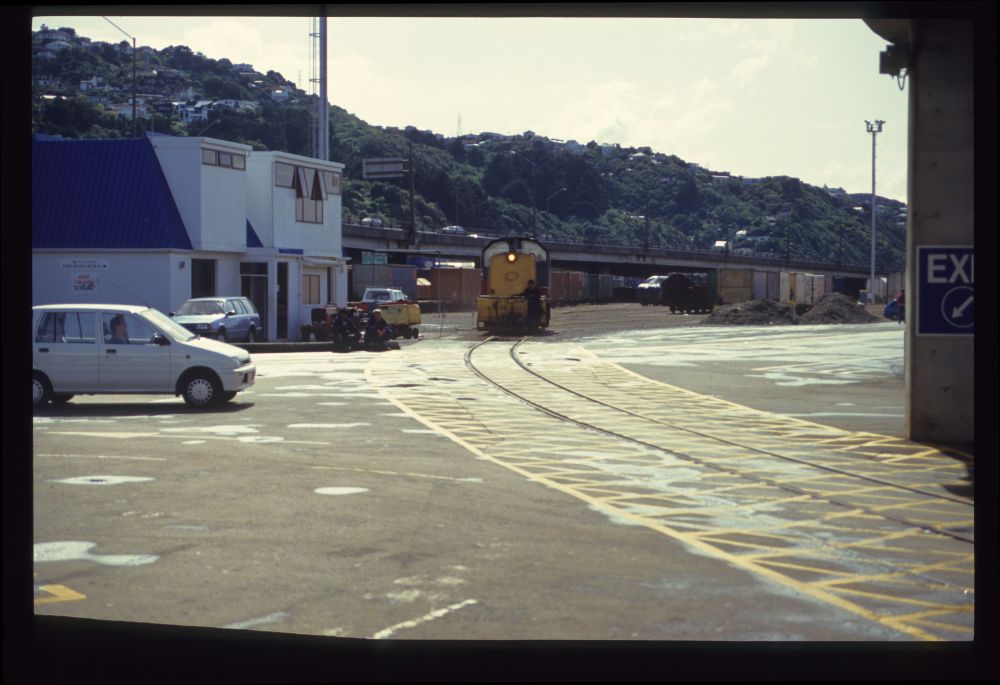
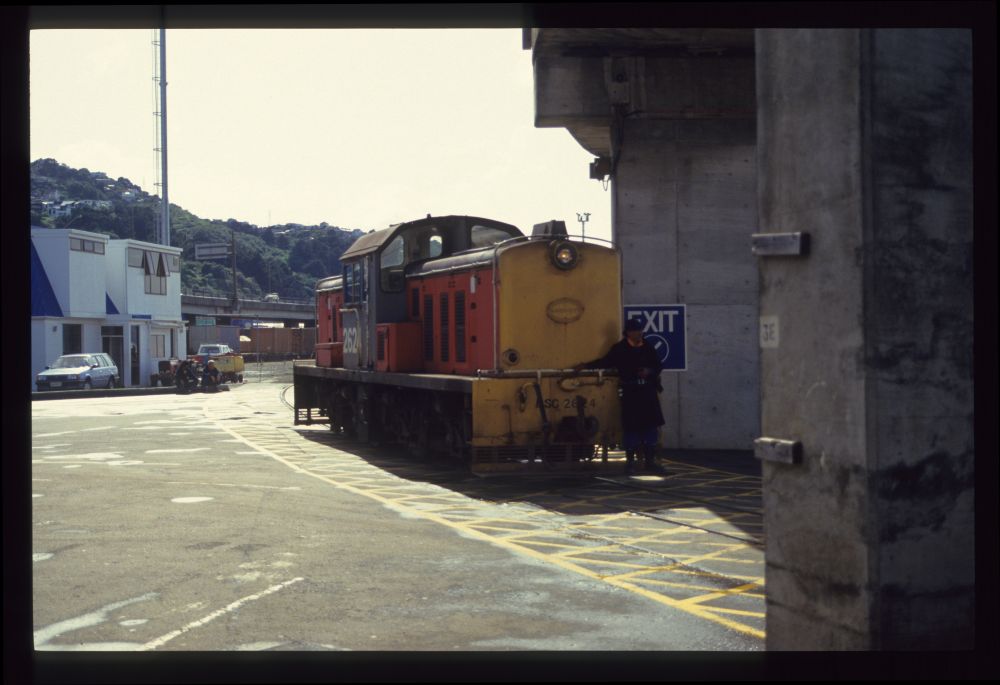
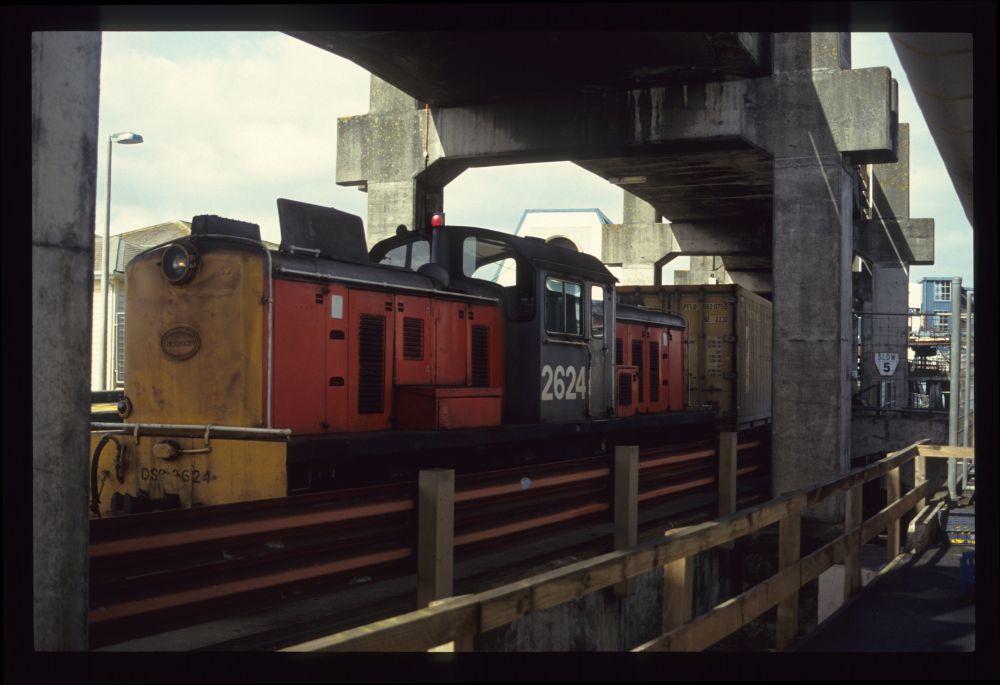
Shunting locomotive DSC 2624 was busy pulling freight cars off one of the trajects:

NZR DSC 2624 at the ferry terminal, Wellington, September 1992

NZR DSC 2624 at the ferry terminal, Wellington, September 1992

NZR DSC 2624 at the ferry terminal, Wellington, September 1992

NZR DSC 2624 at the ferry terminal, Wellington, September 1992

NZR DSC 2624 pulling wagons from a ferry, Fährbahnhof Wellington, September 1992

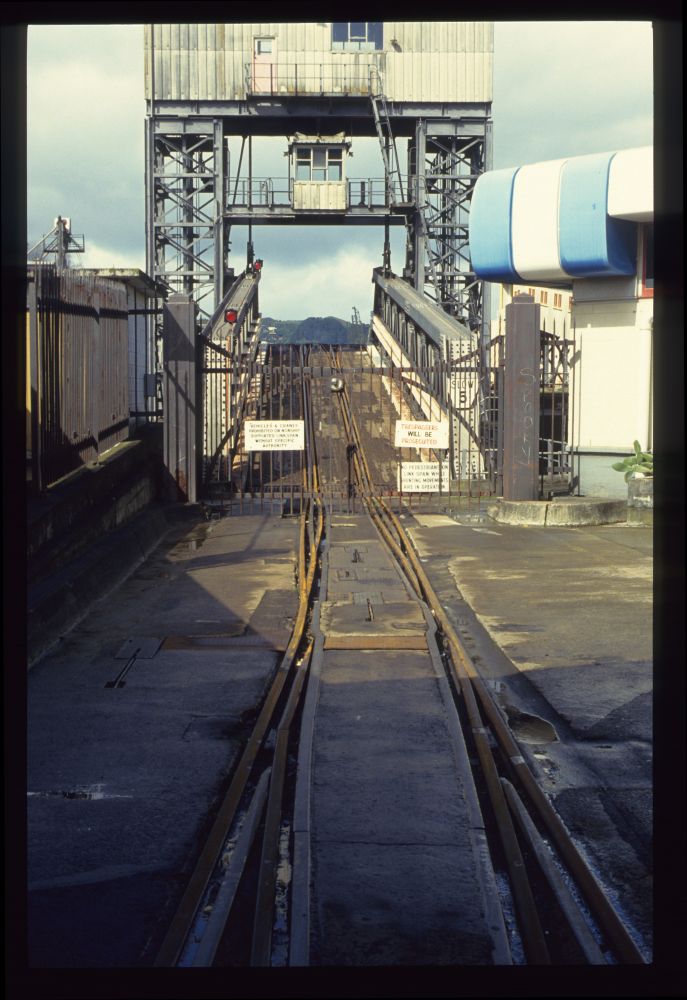
On a second, older ferry bridge, you can see the split switch for the three ferry tracks. It is interesting that a three-way switch is also installed here on the station side—its use is completely unclear to me:

Ferry bridge, Wellington, September 1992

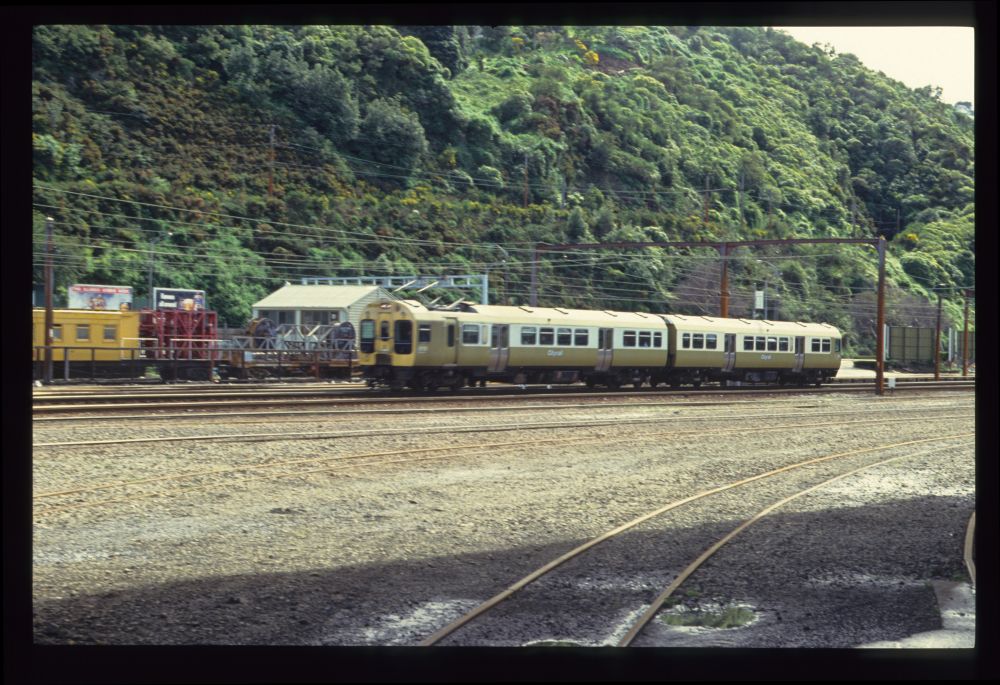
This short train comes from Upper Hut:

NZR ET 3812(?), Wellington, September 1992

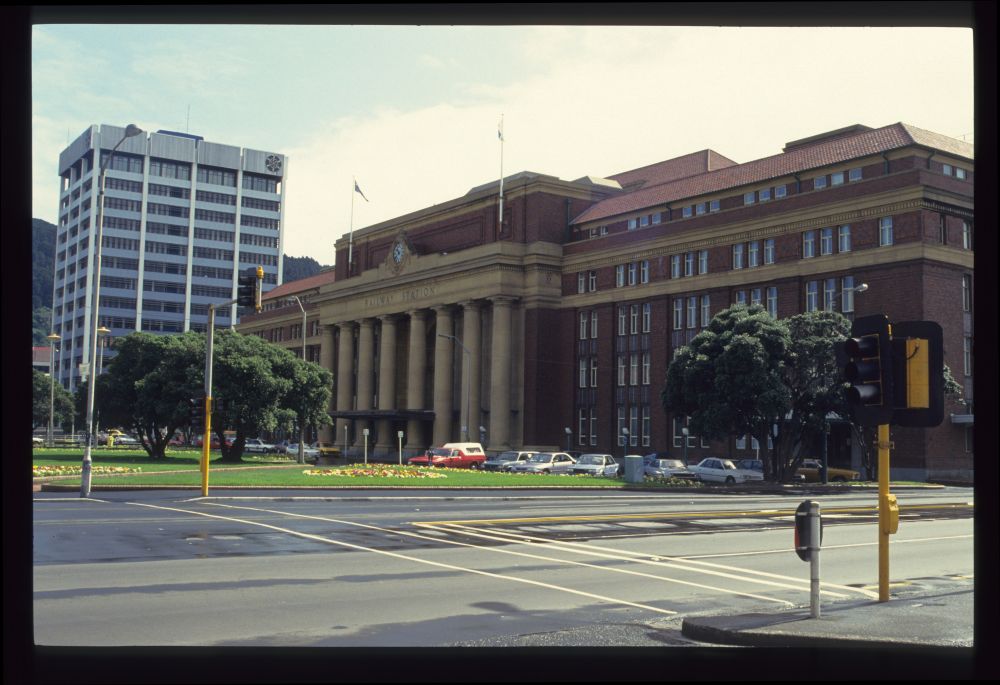
The last pictures of this posting are from the passenger station in Wellington. At the following picture you can see the imposing station building from 1937:

Station building, Wellington, September 1992

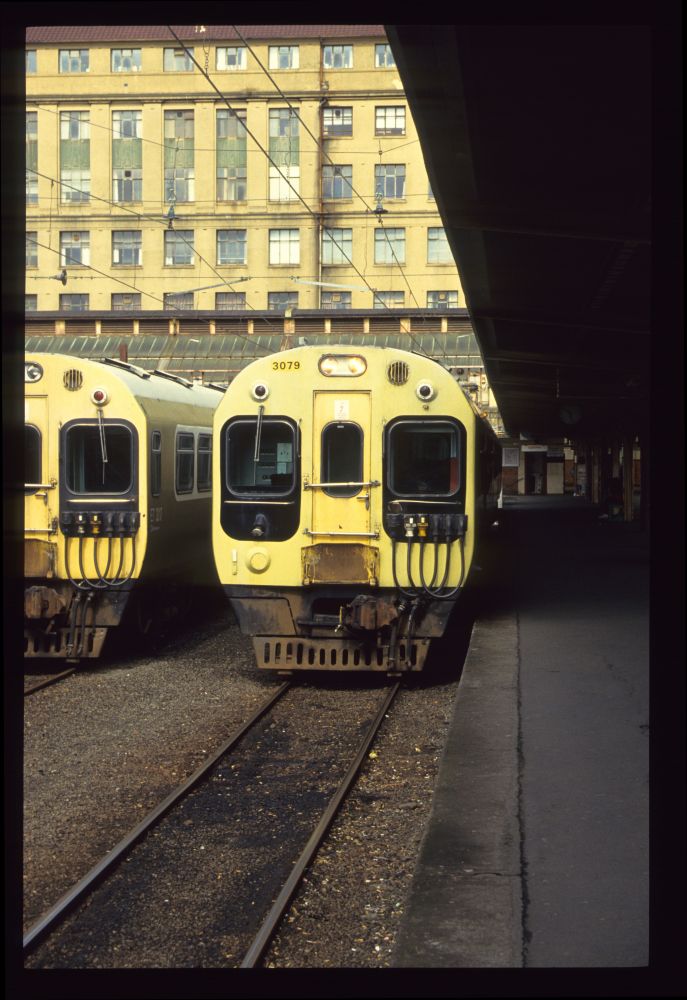
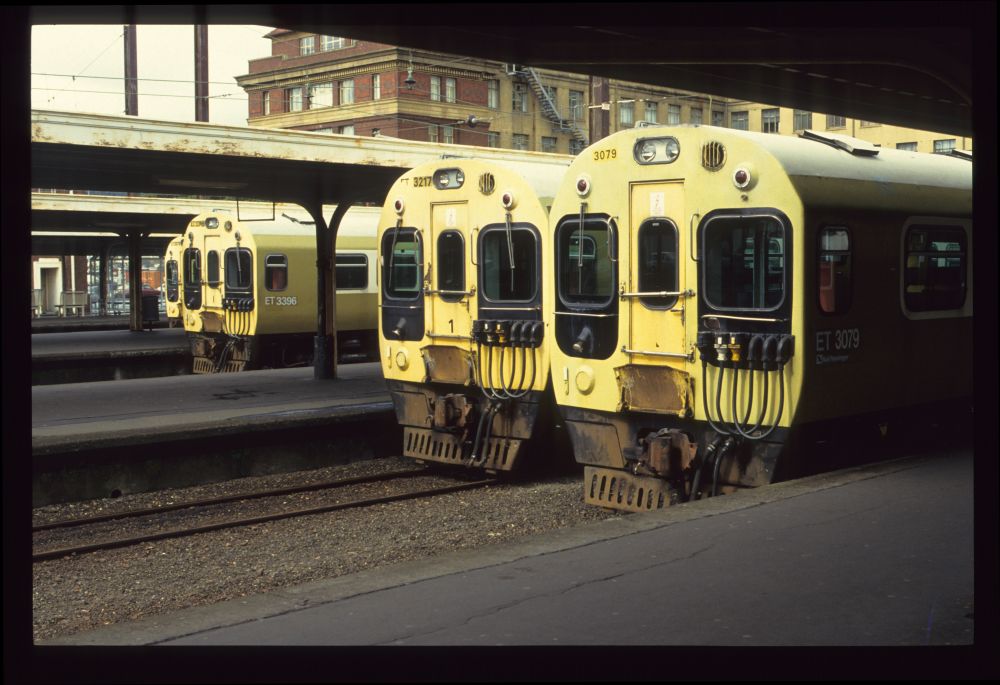
Hungarian EMUs are parked in the station and at the platforms:

DM class sets, Wellington, September 1992

Ganz-Mavag sets NZR ET 3079 and 3217, Wellington, September 1992

Ganz-Mavag sets NZR ET 3079, 3217, 3396 and one more, Wellington, September 1992

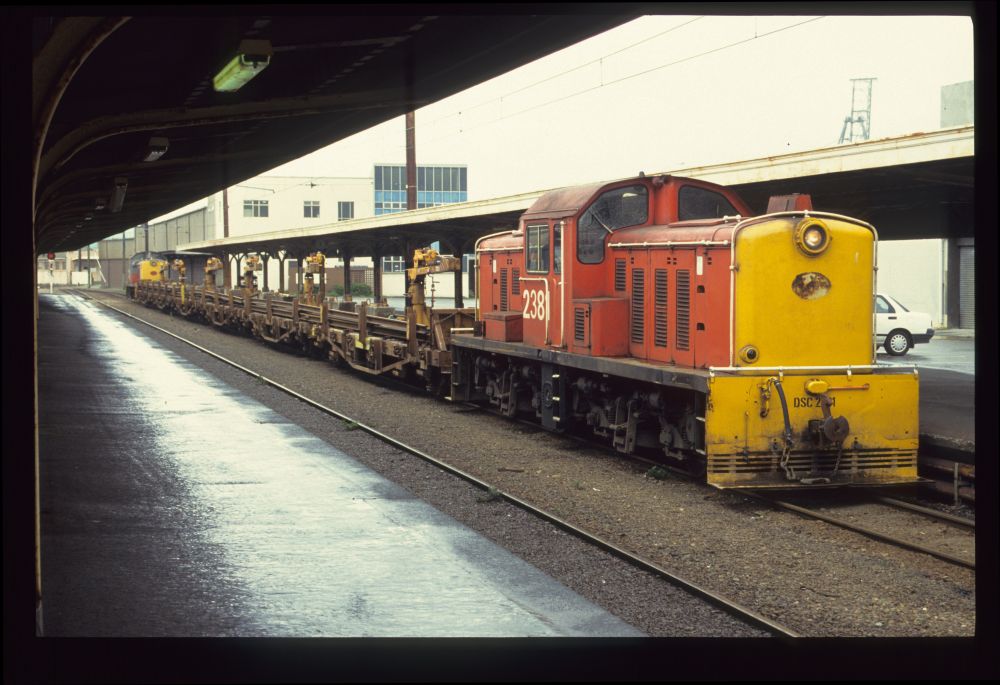
Finally, here is a work train with two shunting locomotives:

NZR DSC 2381, Wellington, September 1992

Saturday, May 7, 2022

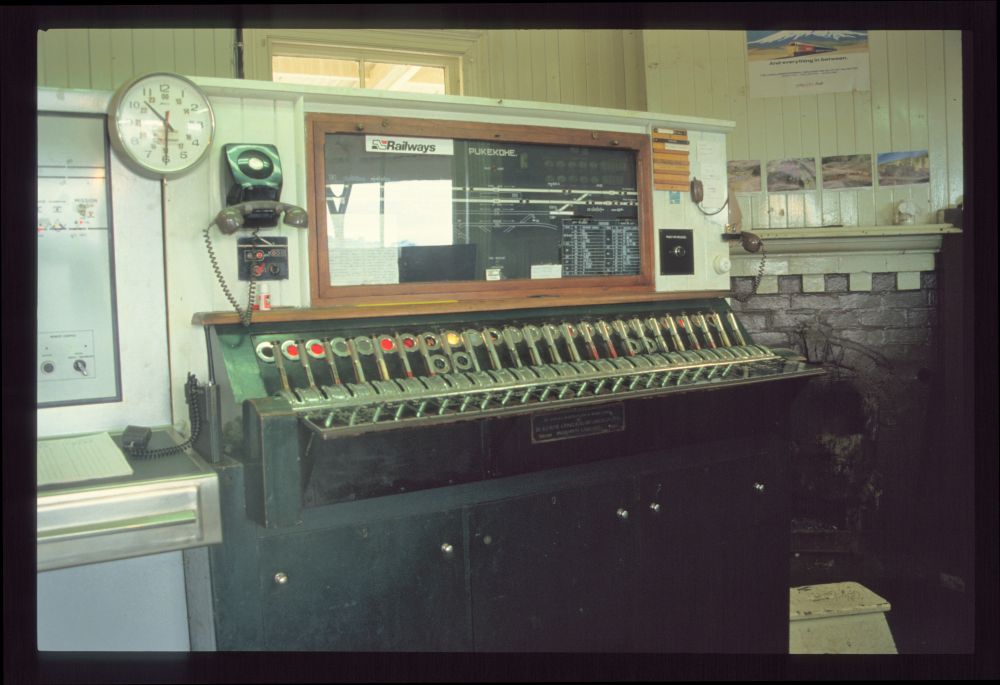
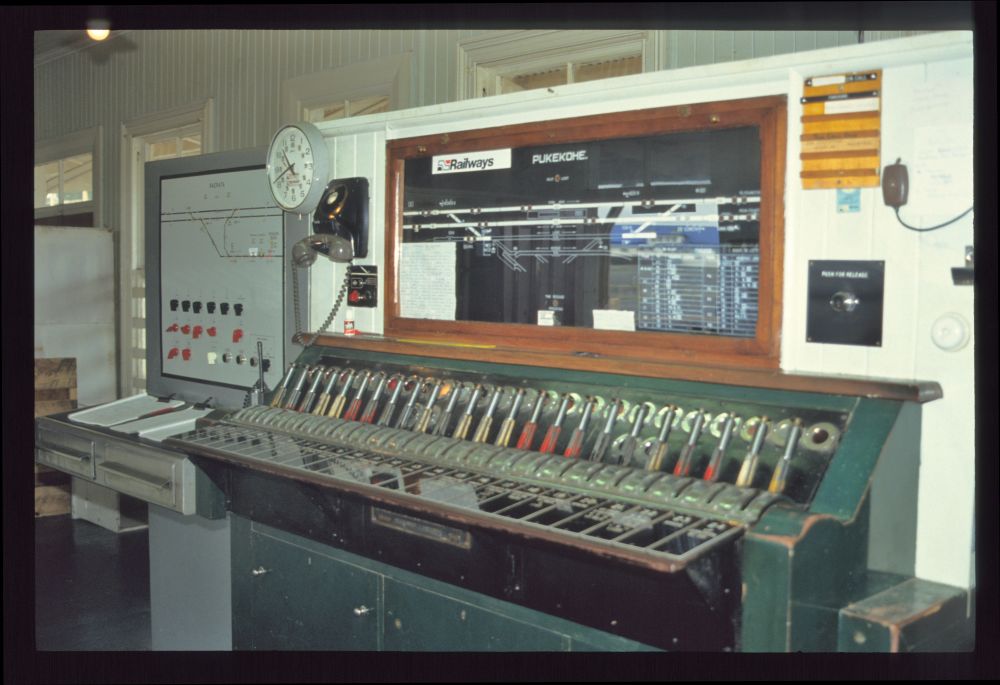
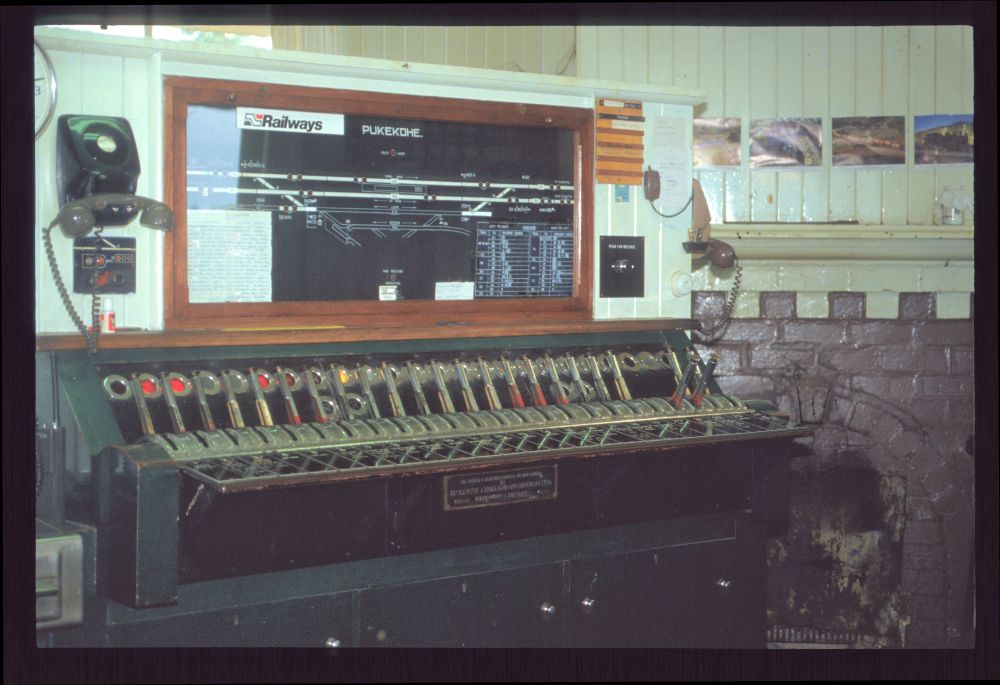
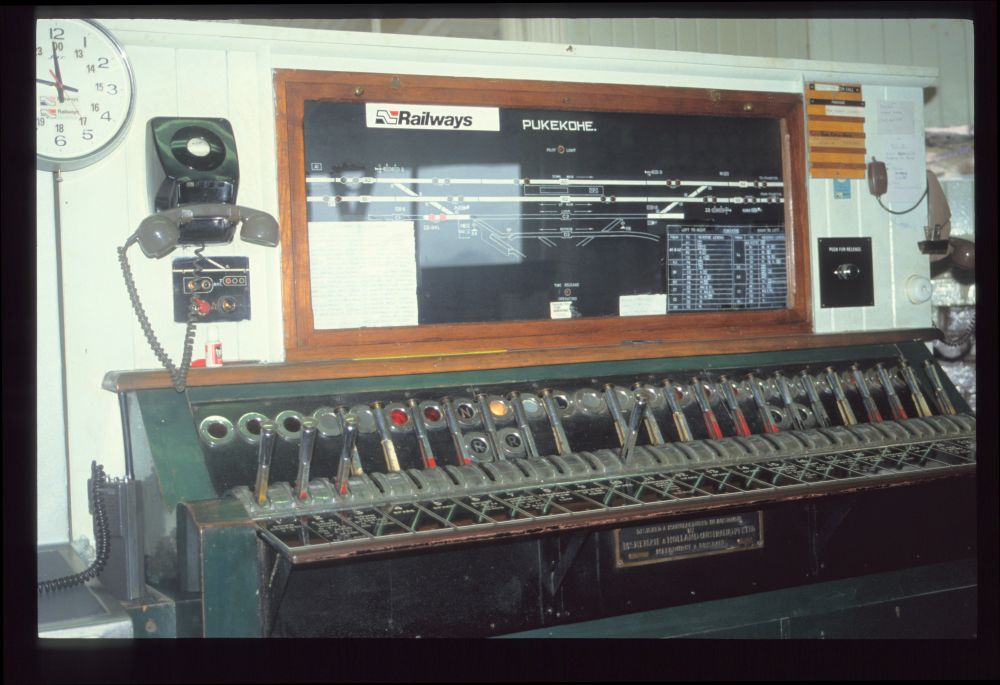
Style A lever frame at Pukekohe, September 1992

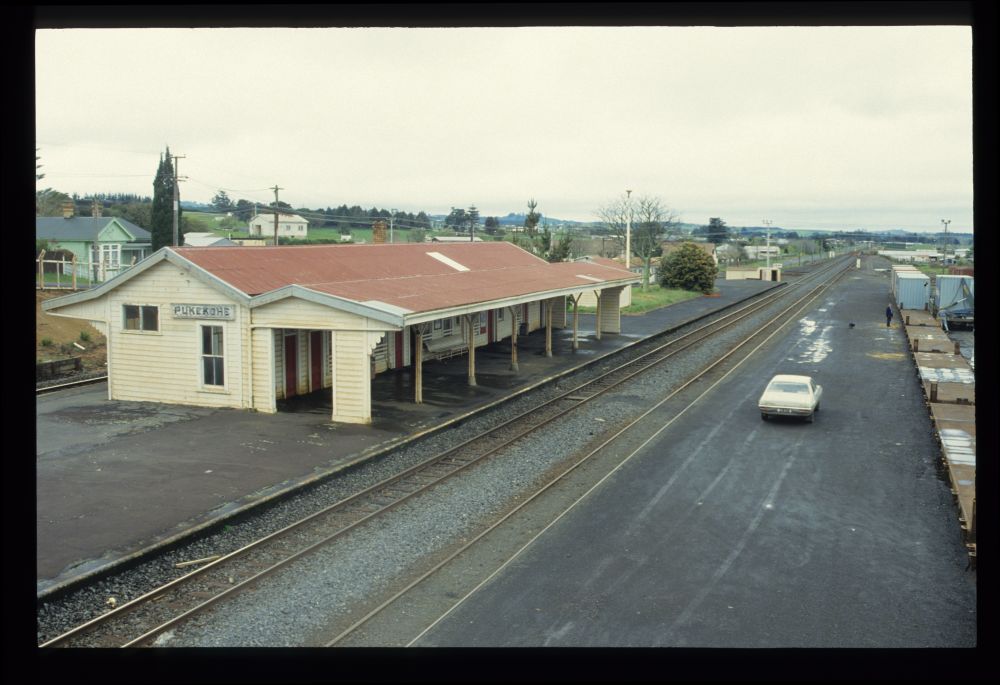
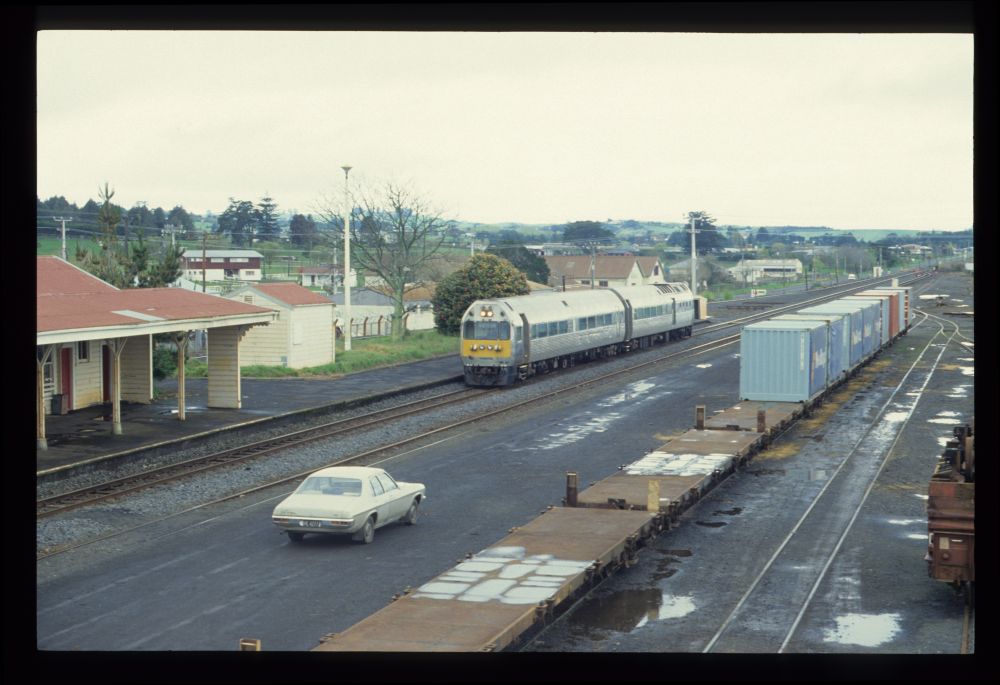
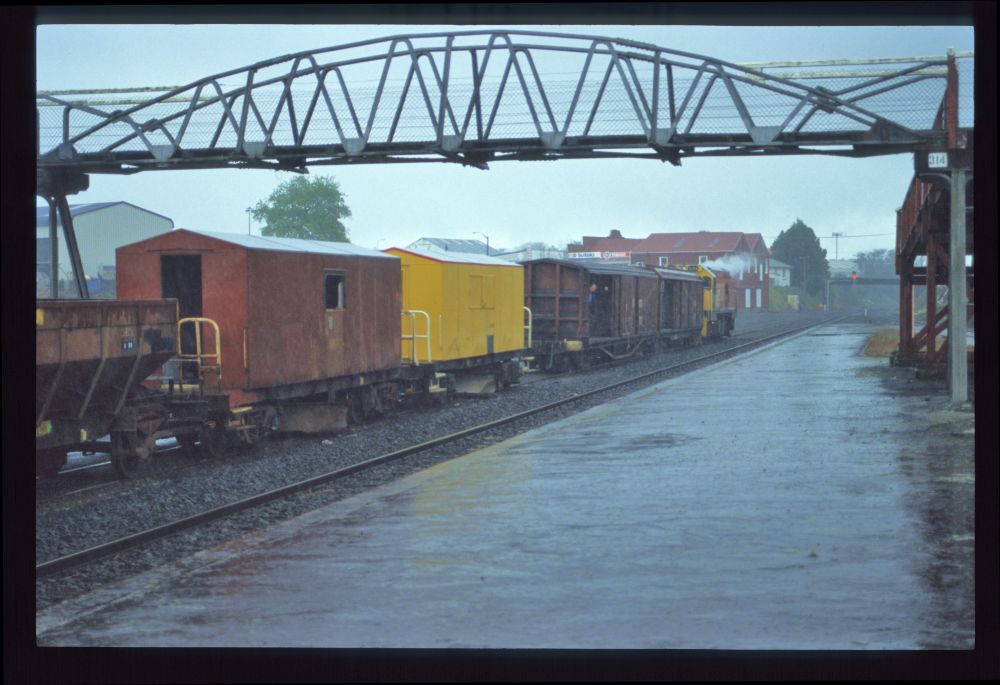
In September 1992, my wife and I visited New Zealand on our honeymoon trip. Among the many slides from there are a few dozen railway pictures, including from two signal boxes. The first, an electromechanical one by McKenzie & Holland of Australia, stood a little south of Auckland at Pukekohe on the North Island Main Trunk, where it survived until November 2017. In Pukekohe there is a pedestrian bridge from which you can see the station area:

Station, Pukekohe, 18.9.1992

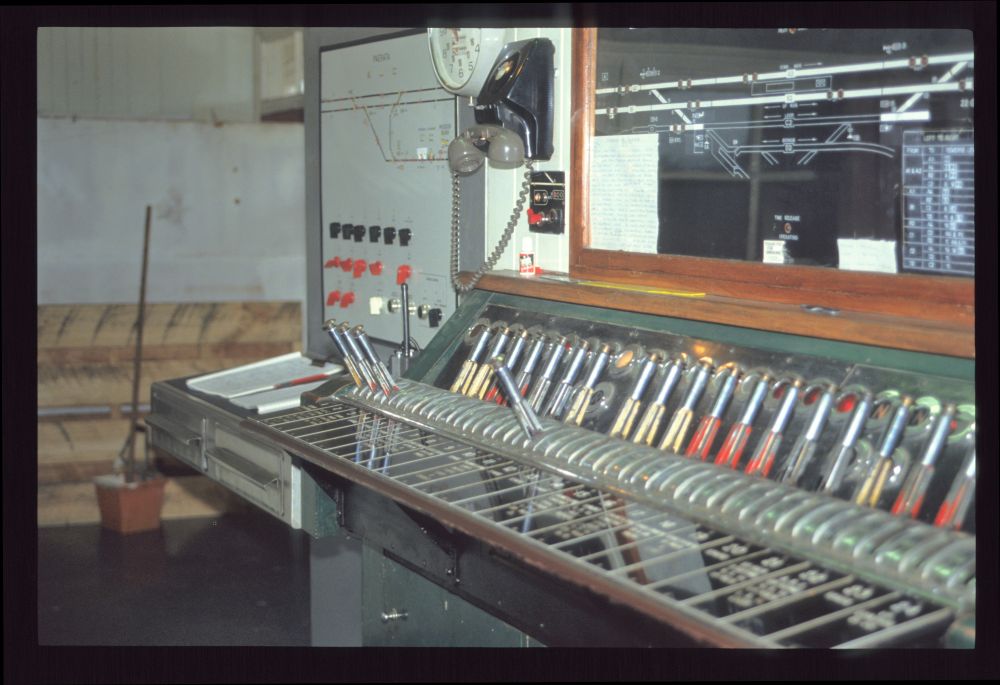
Here are images from Pukekohe's "Style A lever frame":

Lever frame, Pukekohe, 18.9.1992

Lever frame, Pukekohe, 18.9.1992

Lever frame, Pukekohe, 18.9.1992

Lever frame, Pukekohe, 18.9.1992

Lever frame, Pukekohe, 18.9.1992

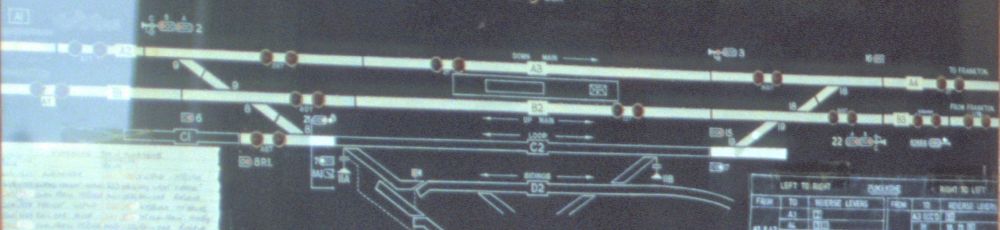
From the third picture I have enlarged the track plan, which is helpful for locating some of the following outside shots:

Track panel, Pukekohe, 18.9.1992

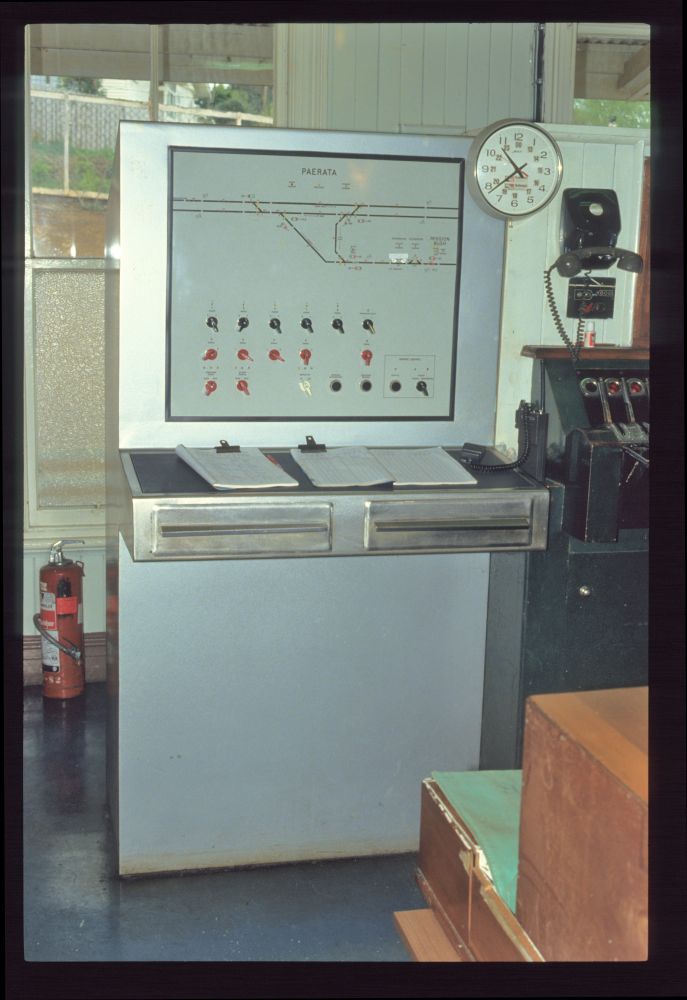
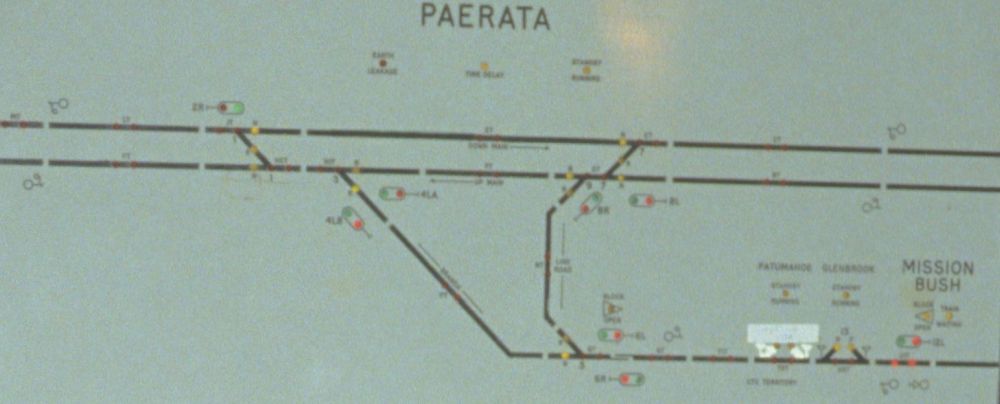
About three kilometres north of Pukekohe, the "Mission Bush Branch" branches off the Norht Island Main Trunk—i.e. the line from Auckland to Wellington—to a steelworks (and to Waiuku). The interlocking for this wye near Paerata was also located at Pukekohe:

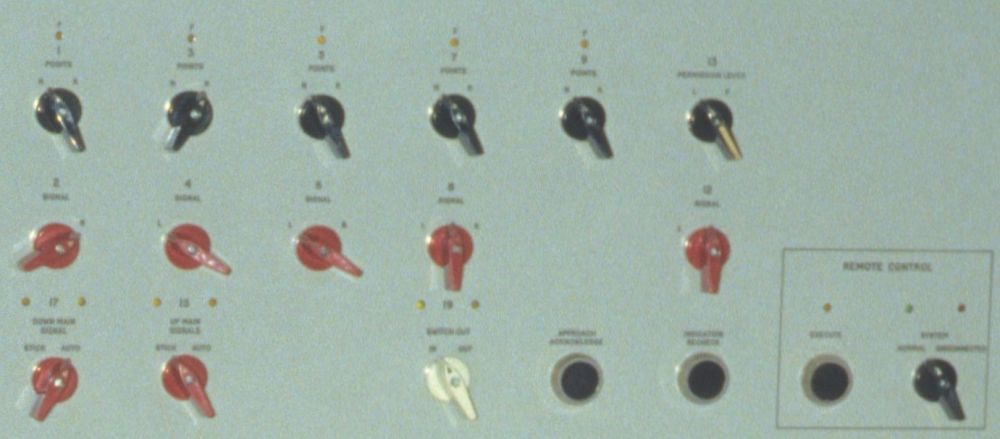
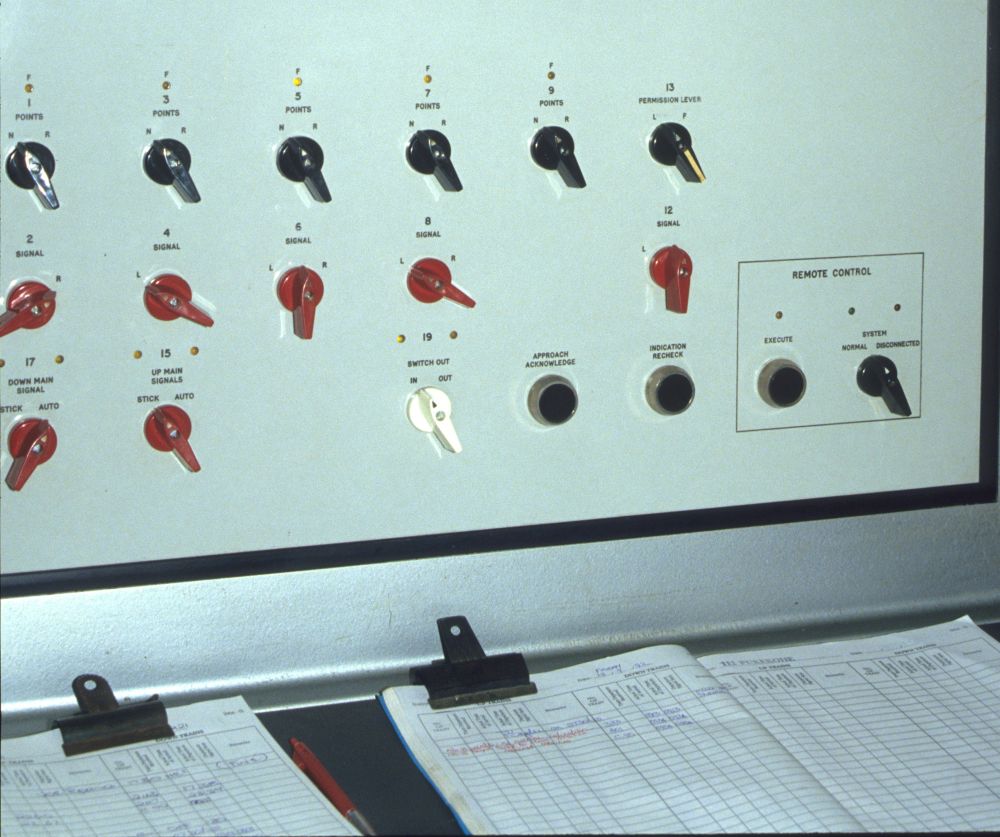
Interlocking panel for wye at Paerata, Pukekohe, 18.9.1992

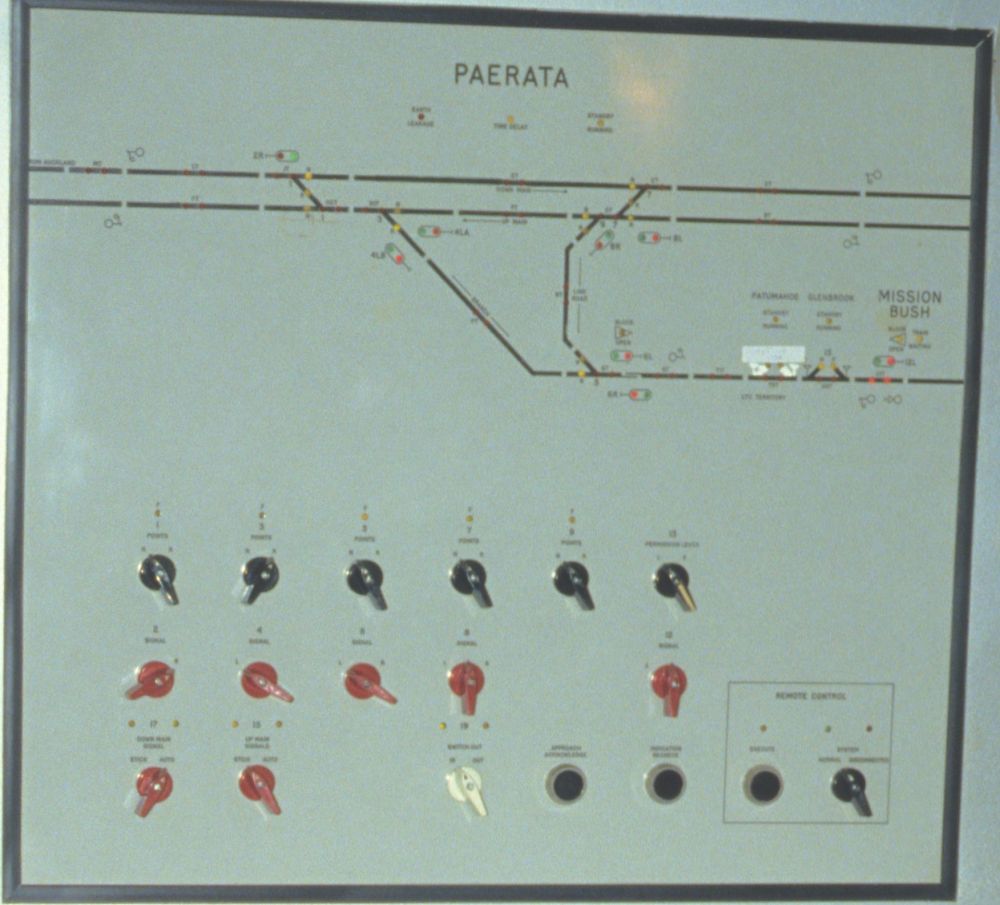
The following pictures show, unfortunately a little blurred, enlarged details of the previous shot:

Interlocking panel for wye at Paerata, Pukekohe, 18.9.1992

Interlocking panel for wye at Paerata, Pukekohe, 18.9.1992

Interlocking panel for wye at Paerata, Pukekohe, 18.9.1992

Interlocking panel for wye at Paerata, Pukekohe, 18.9.1992

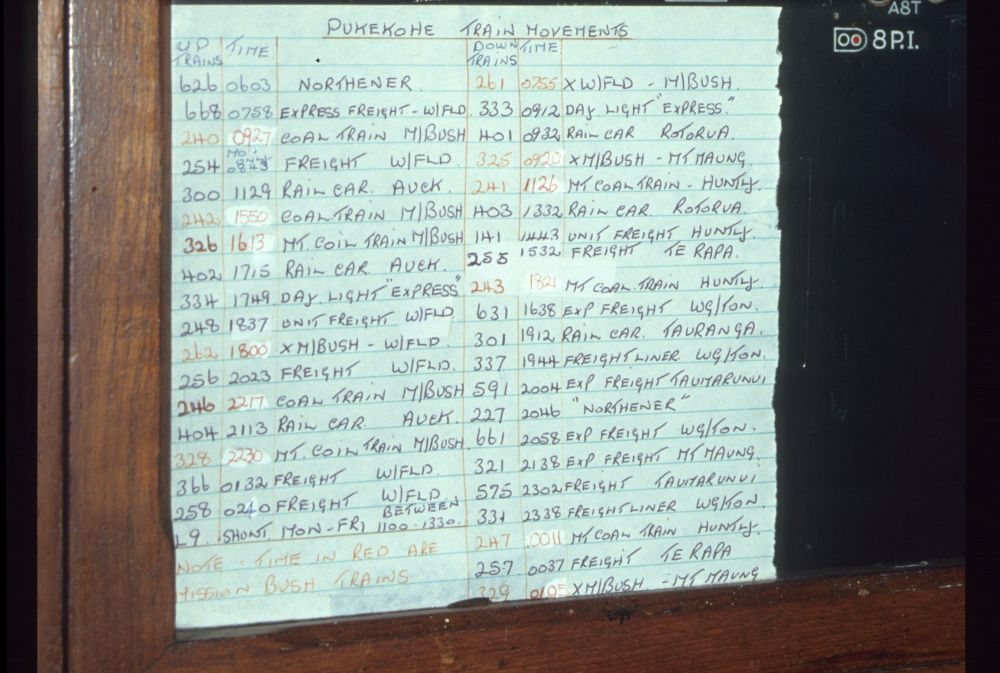
This handwritten timetable was stuck to the track board of the lever bank:

Timetable, Pukekohe, 18.9.1992

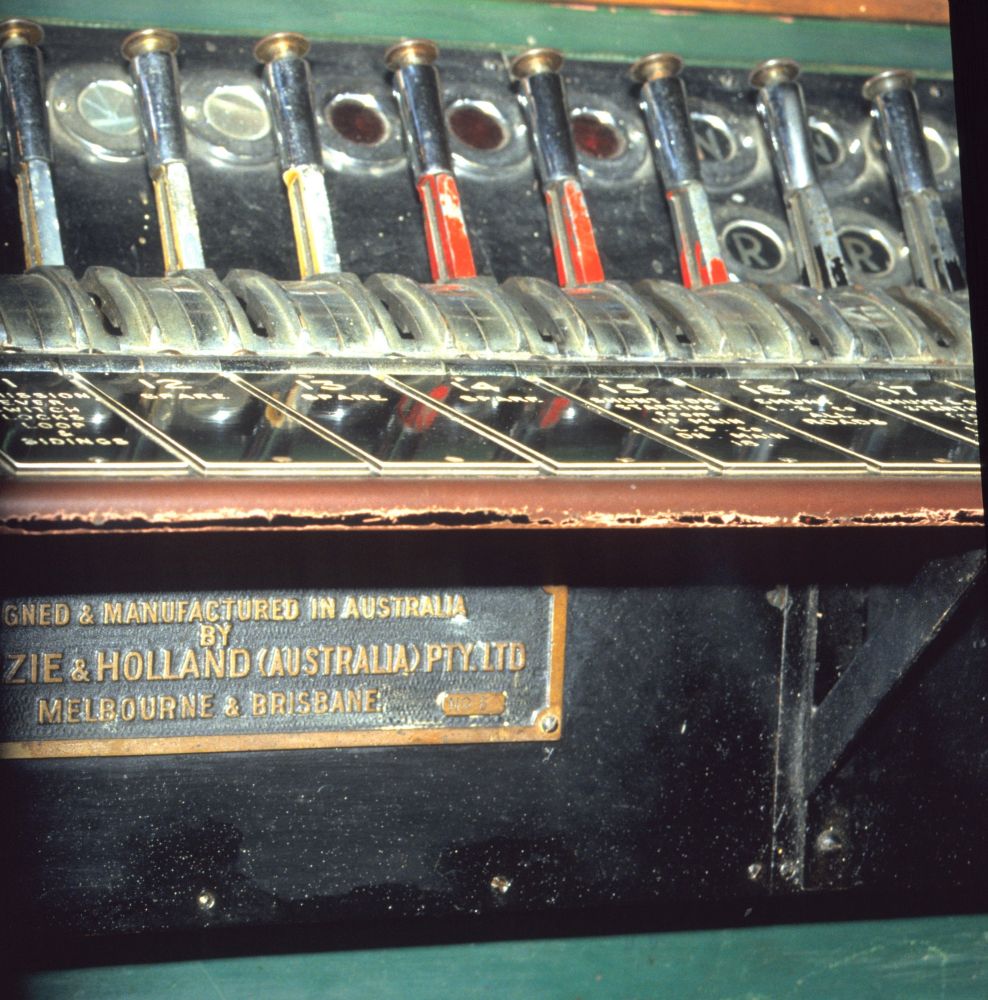
And here is a final detail of the lever bench, unfortunately with the factory plate cut off:

Interlocking frame, Pukekohe, 18.9.1992

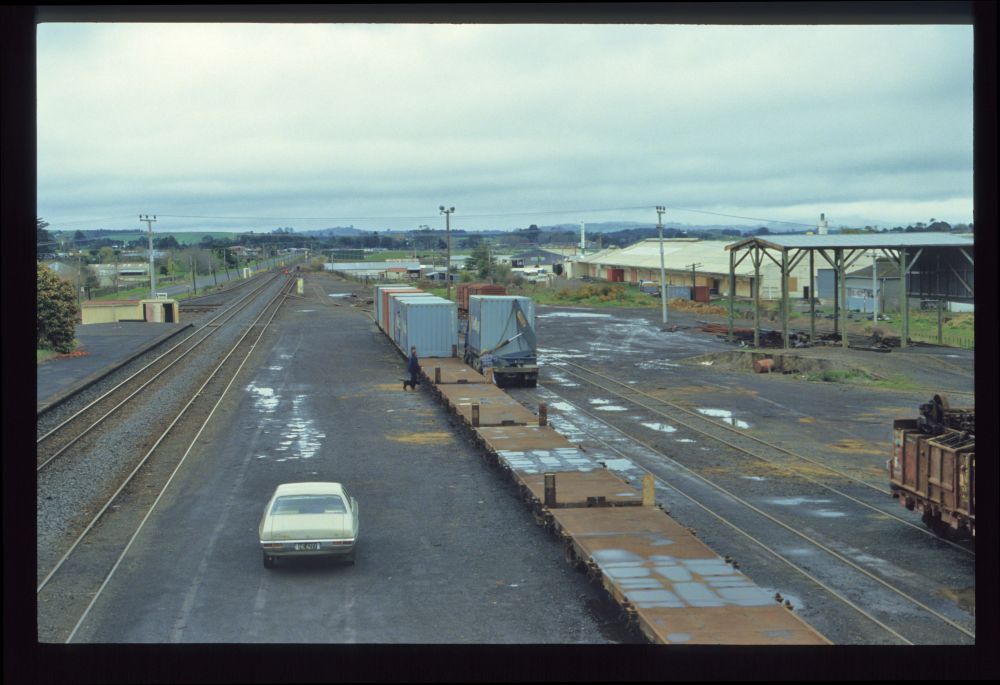
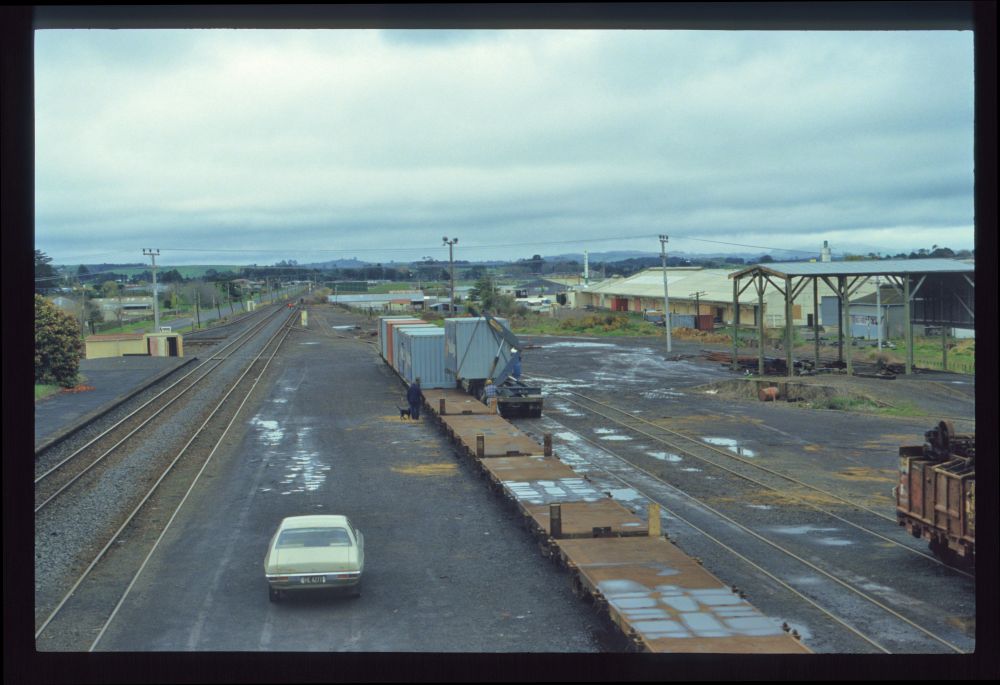
Two shots show the direct loading of a container from a truck onto a flat wagon:

Container loading, Pukekohe, 18.9.1992

Container loading, Pukekohe, 18.9.1992

I then set off on a walk to the northern station head, where some shots of outdoor facilities were taken.
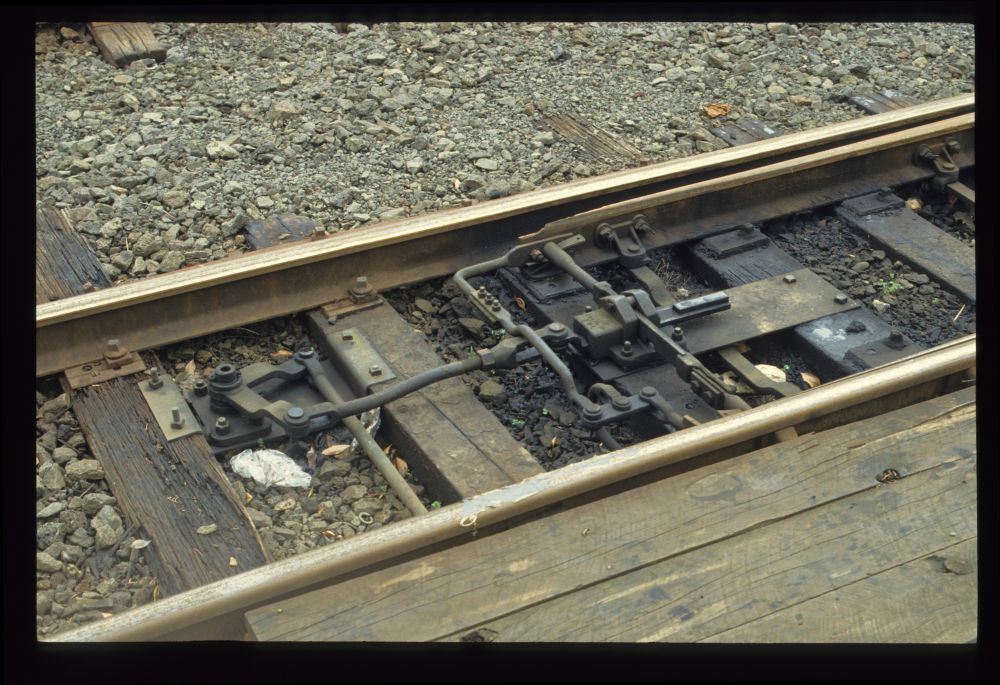
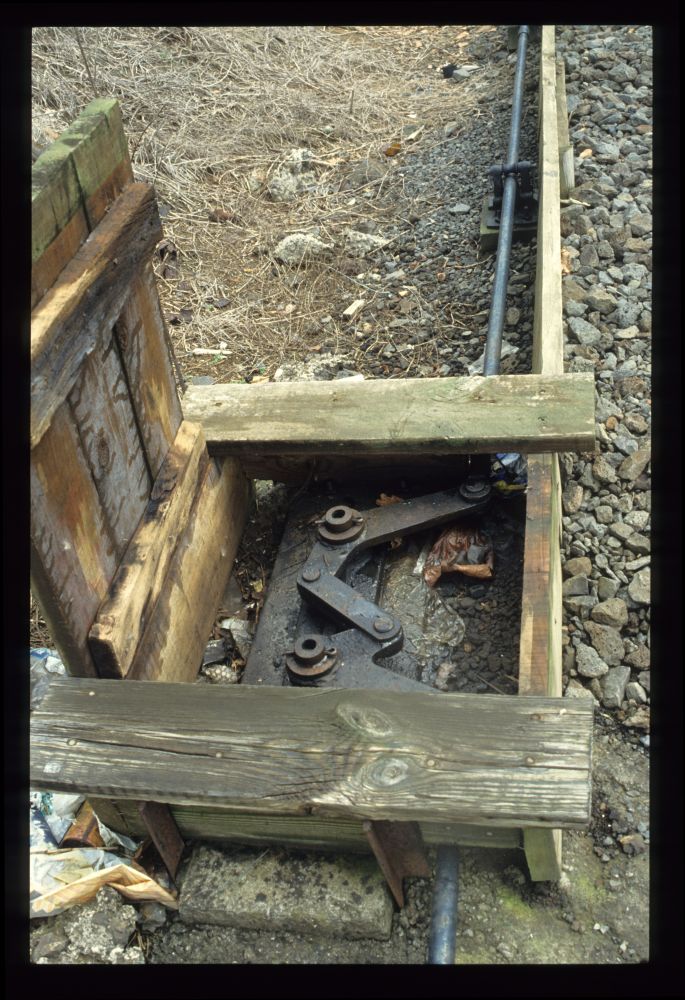
The following turnout 7 is manually set. However, since it is located in a track where it can be traversed by arriving trains against the tips of the points, its tongues must be locked. This is done with a "facing point lock" (FPL), but here it is moved along by the switch lever. In terms of logic, this is similar to the "Zungenprüfer" (literally, "tongue checker") of points for slower speeds used in Central Europe, but an FPL cannot be run through:

Points moving linkage, Pukekohe, 18.9.1992

The switch lever also sets this derailment device, which serves as flank protection:

Derail, Pukekohe, 18.9.1992

The following compensation lever is connected into the linkage line from the turnout to the derailing device approximately in the middle:

Compensation lever, Pukekohe, 18.9.1992

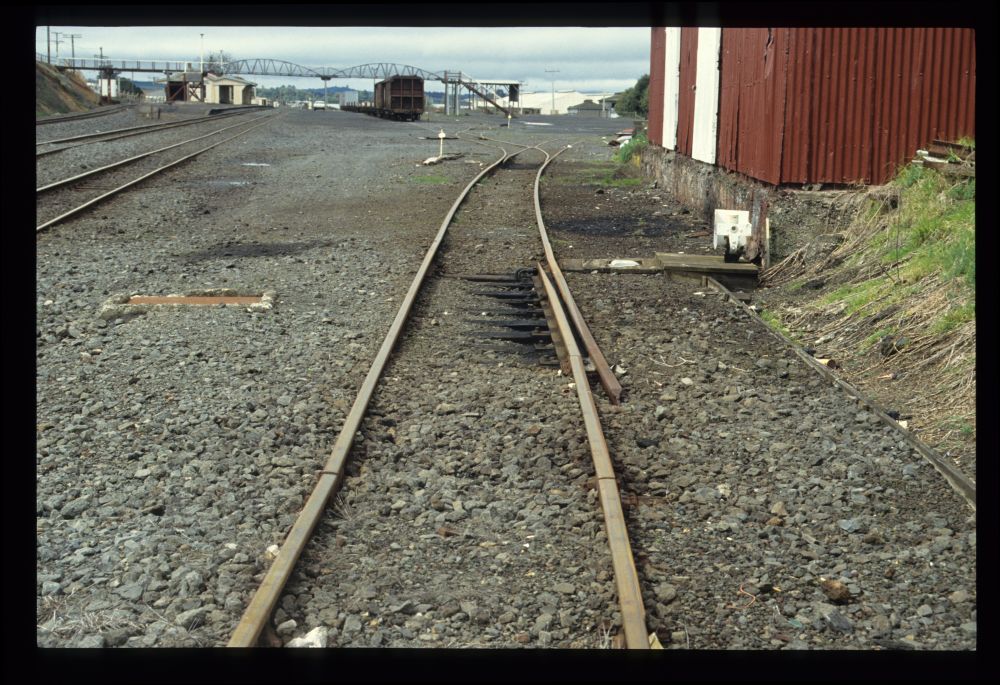
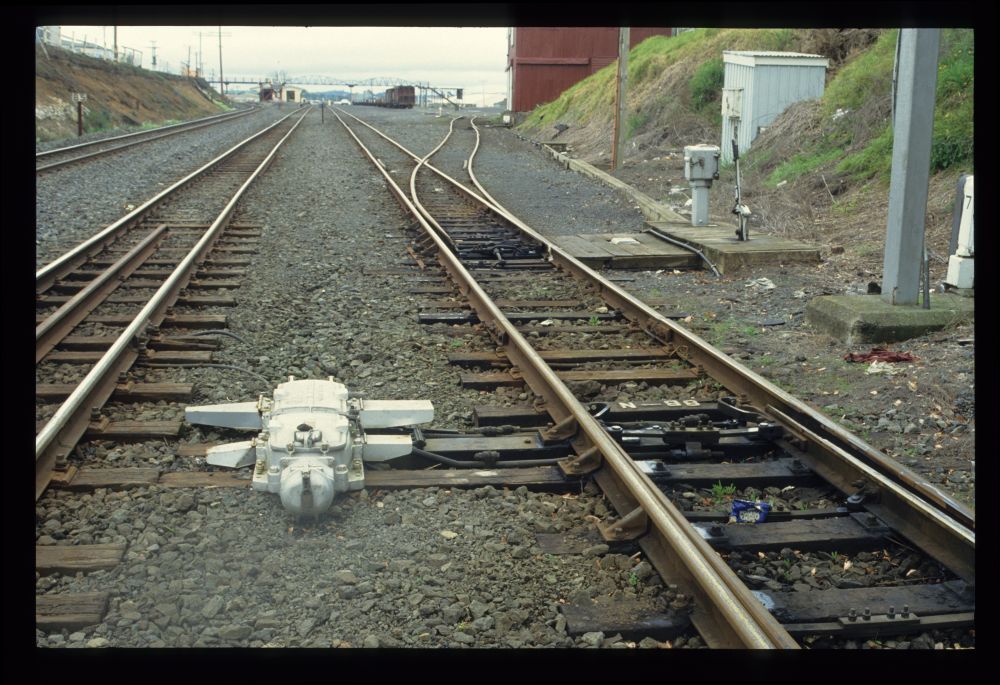
Here one can see an electrically operated turnout controlled by lever 8 (together with the other turnout of the track connection to the track next to it on the left). The turnout 7 from the previous picture can be seen behind it, from which the linkage to the derailer runs:

Points, Pukekohe, 18.9.1992

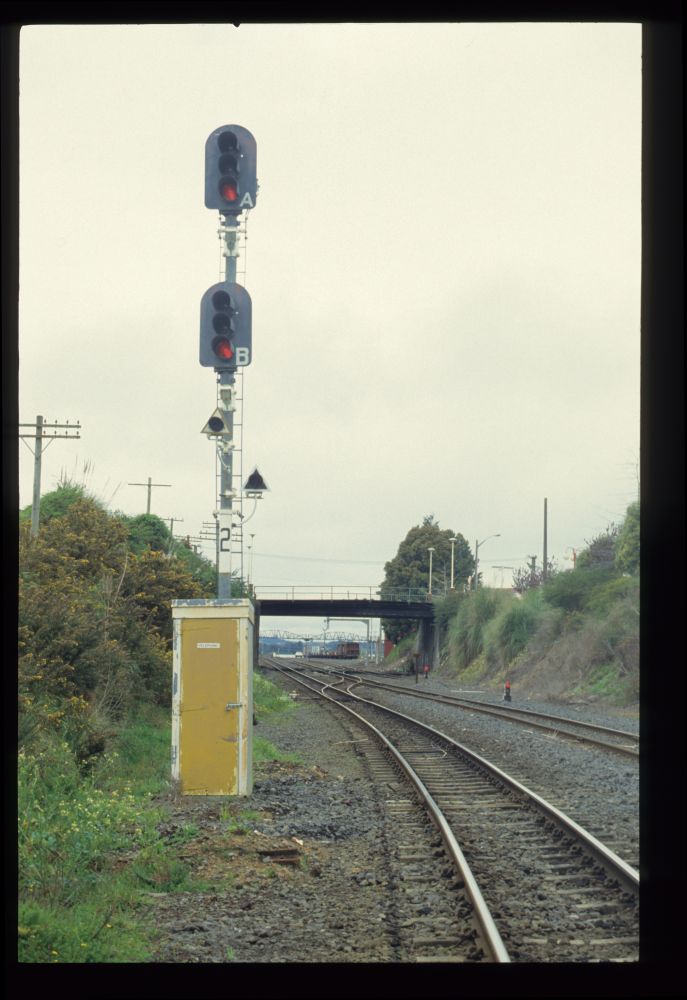
Directly in front of the turnout is the entry signal. It has two signal heads and two auxiliary lights. A rough explanation of New Zealand's speed signalling can be found at nzrailphotos.co.nz. The signal terms seem to be influenced by North America, among others with the cheerful habit of having red lamps glowing at the same time as green or yellow:

Home signal, Pukekohe, 18.9.1992

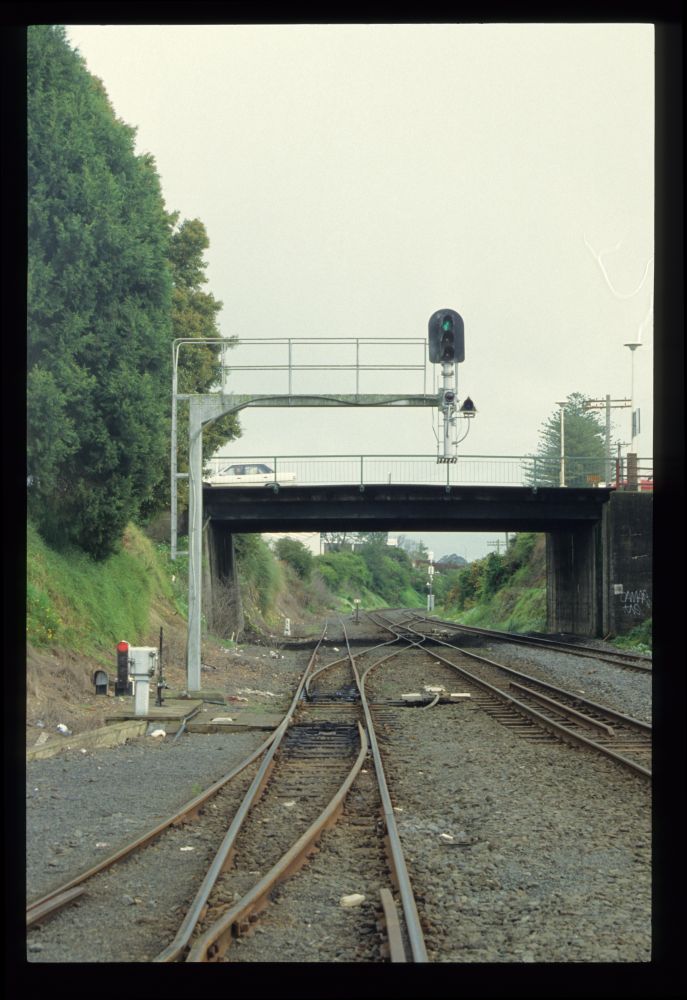
In the opposite direction we see here the starting signal, which is set to free for a train coming soon:

Starting signal, Pukekohe, 18.9.1992

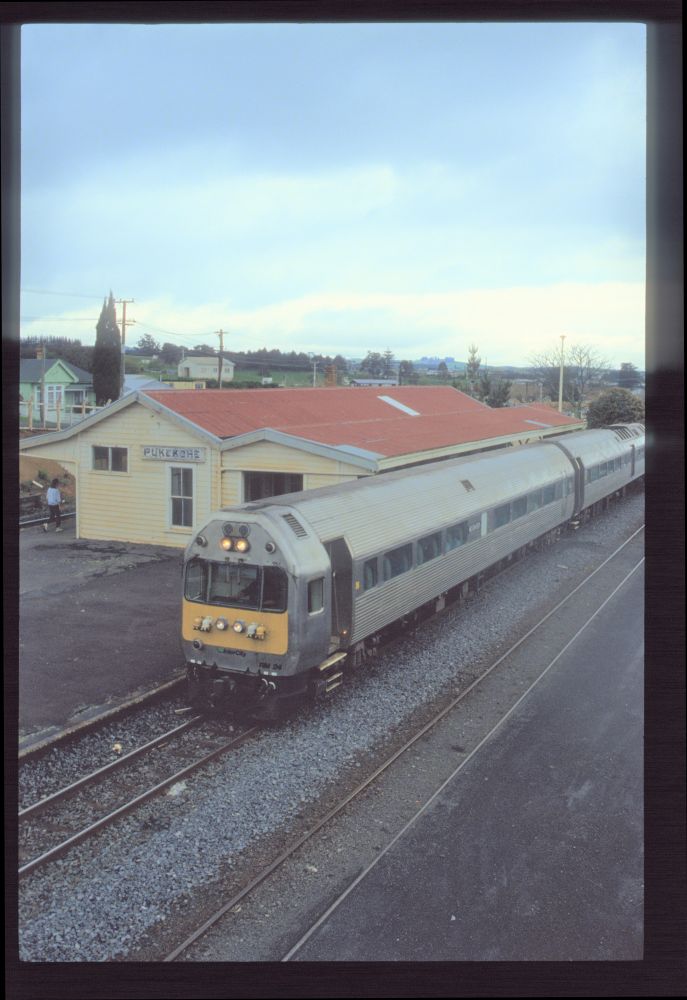
And here is the local train entering and leaving the station:

Railcar NZR RM 24, Pukekohe, 18.9.1992

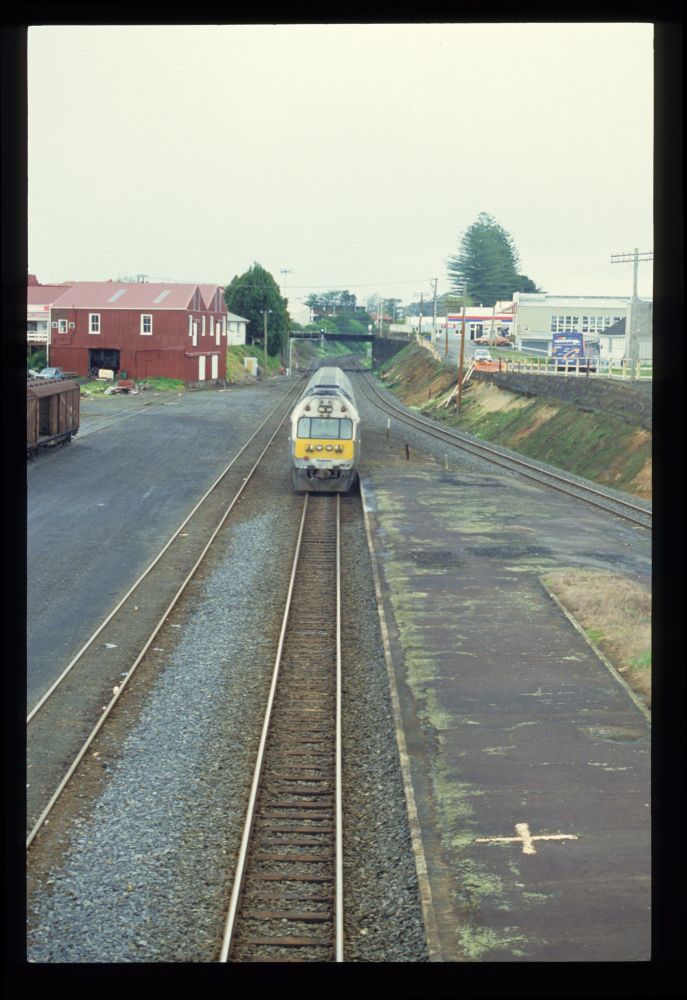
According to the timetable above, this should be train 300 "Rail Car Auck[land]" at 11:29:

Railcar NZR RM 24, Pukekohe, 18.9.1992

Railcar NZR RM 24, Pukekohe, 18.9.1992

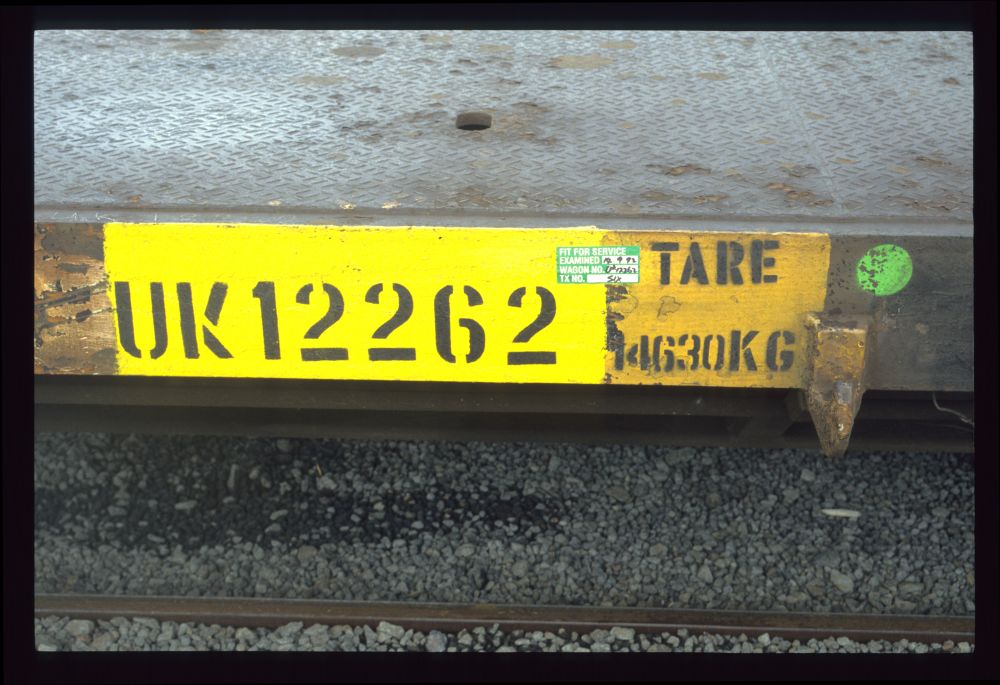
I also photographed the inscriptions on one of the flat wagons for containers:

NZ car inscription UK 12262, Pukekohe, 18.9.1992

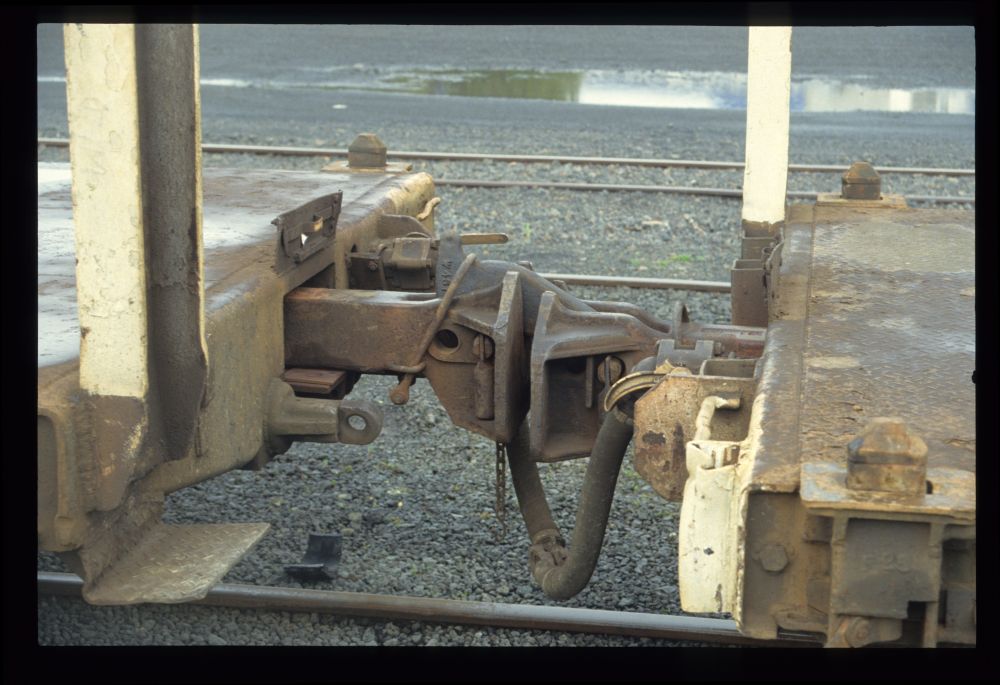
Here you can see the asymmetrical New Zealand coupling for freight wagons, called "Norwegian coupling" because of its origin or also "meat chopper" or "chopper coupling" because of the appearance of the coupling hook –:

Coupling, Pukekohe, 18.9.1992

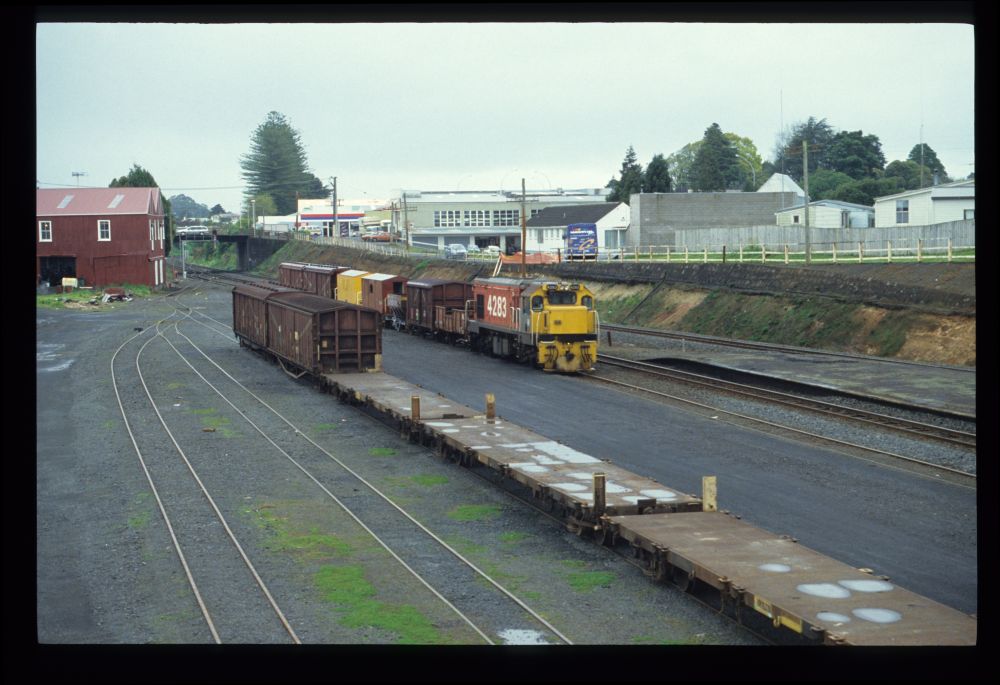
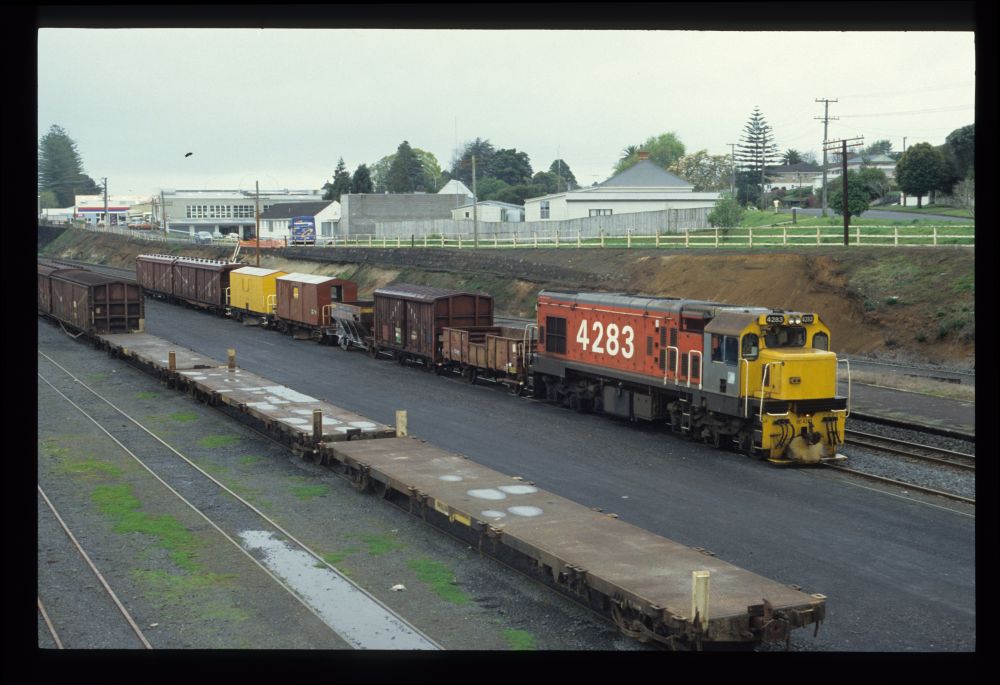
Finally, a work train kindly arrived from the direction of Auckland:

NZR DC 4283 with work train, Pukekohe, 18.9.1992

NZR DC 4283 with work train, Pukekohe, 18.9.1992

NZR DC 4283 with work train, Pukekohe, 18.9.1992

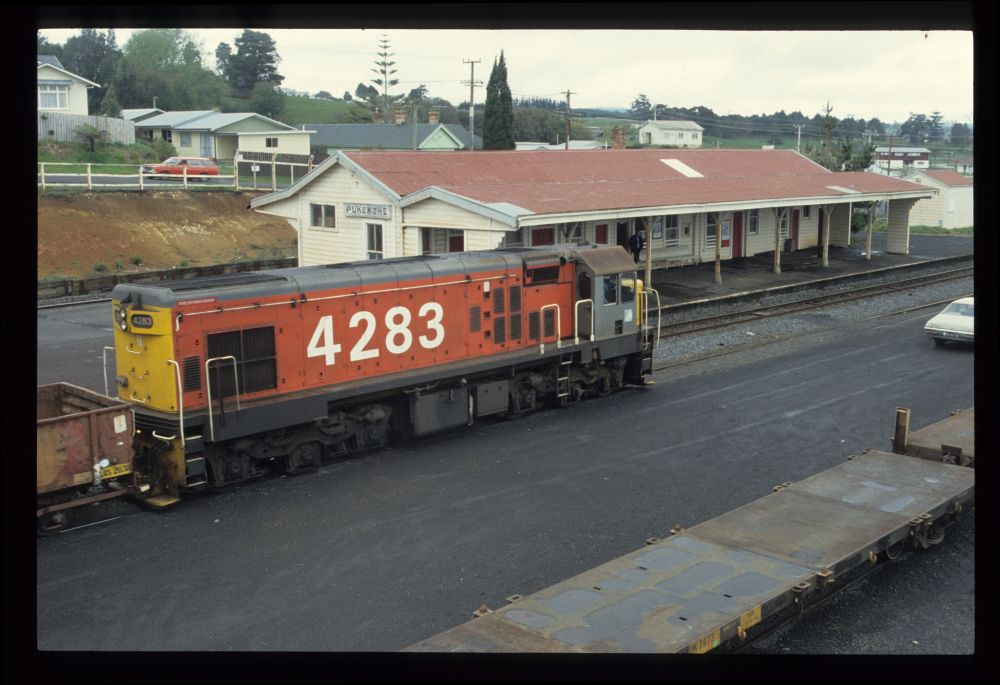
With the sudden onset of rain, shunting work began, but we then left the station:

NZR DC 4283 shunting work train, Pukekohe, 18.9.1992